8 Reasons Shela Is One of the Best Places to Stay in Lamu
The Little Beach Village That Quietly Steals Every Traveller's Heart
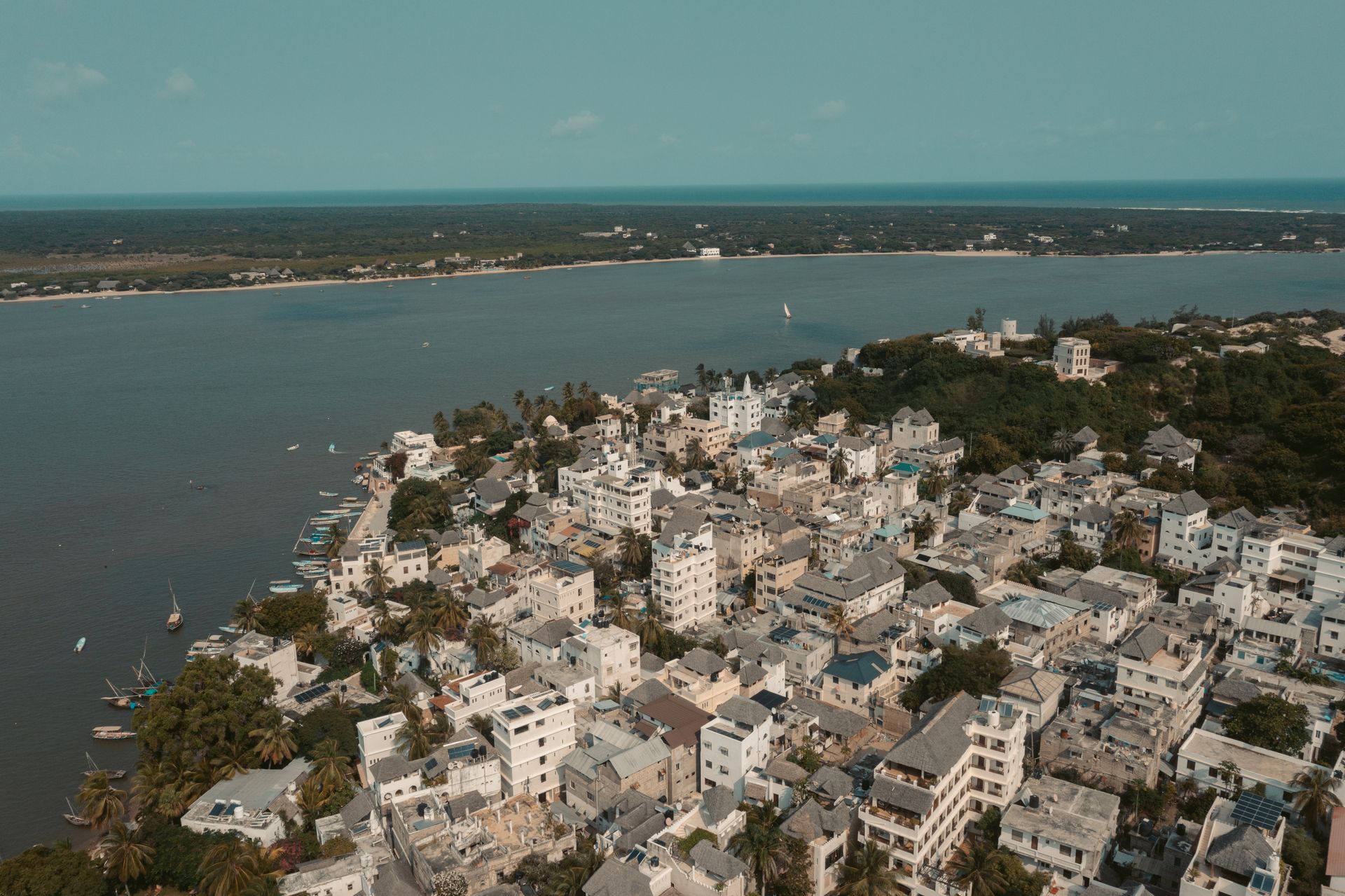
Ask anyone who has spent time on Lamu Island where they would go back to tomorrow, and you will almost always hear the same answer: Shela. This small village of coral-stone houses, sandy lanes and bougainvillaea-draped walls sits about a forty-minute walk (or a short boat ride) from Lamu Old Town, and it has become the natural base for travellers who want beach, culture and calm in equal measure.
We have welcomed guests to Shela for years, and we still find ourselves noticing something new each week, whether it is the way the light falls on the dunes at six in the evening or the sound of dhow sails being hoisted at dawn. If you are weighing up hotels in Lamu and trying to work out which corner of the island suits you best, this guide sets out eight honest reasons Shela tends to win people over.
Before we begin, one note on context. Lamu Old Town, just along the waterfront, is a
UNESCO World Heritage Site and the oldest continuously inhabited Swahili settlement in East Africa. Shela gives you easy access to all of that history while letting you sleep somewhere quieter, greener and closer to the sea.
1. Shela Beach Is One of the Most Beautiful Stretches on the Kenyan Coast
The headline reason people choose Shela accommodation is the beach, and it deserves the attention. Twelve kilometres of pale sand curve away from the village towards Kipungani, backed by dunes and fronted by the Indian Ocean, with barely a building in sight once you walk past the first few hundred metres.
What makes it special is not just the scale but the emptiness. You can walk for an hour and pass a handful of people, a few donkeys and perhaps a fisherman heading home. For swimming, long morning walks, sunset photographs or simply lying under a shade umbrella with a book, it is difficult to better.
Tides matter here, so it is worth asking at your hotel which hours are best for swimming on any given day. Our team is always happy to tell guests when the water is at its most inviting and where the safest entry points are.
2. The Village Itself Is a Living Piece of Swahili Heritage
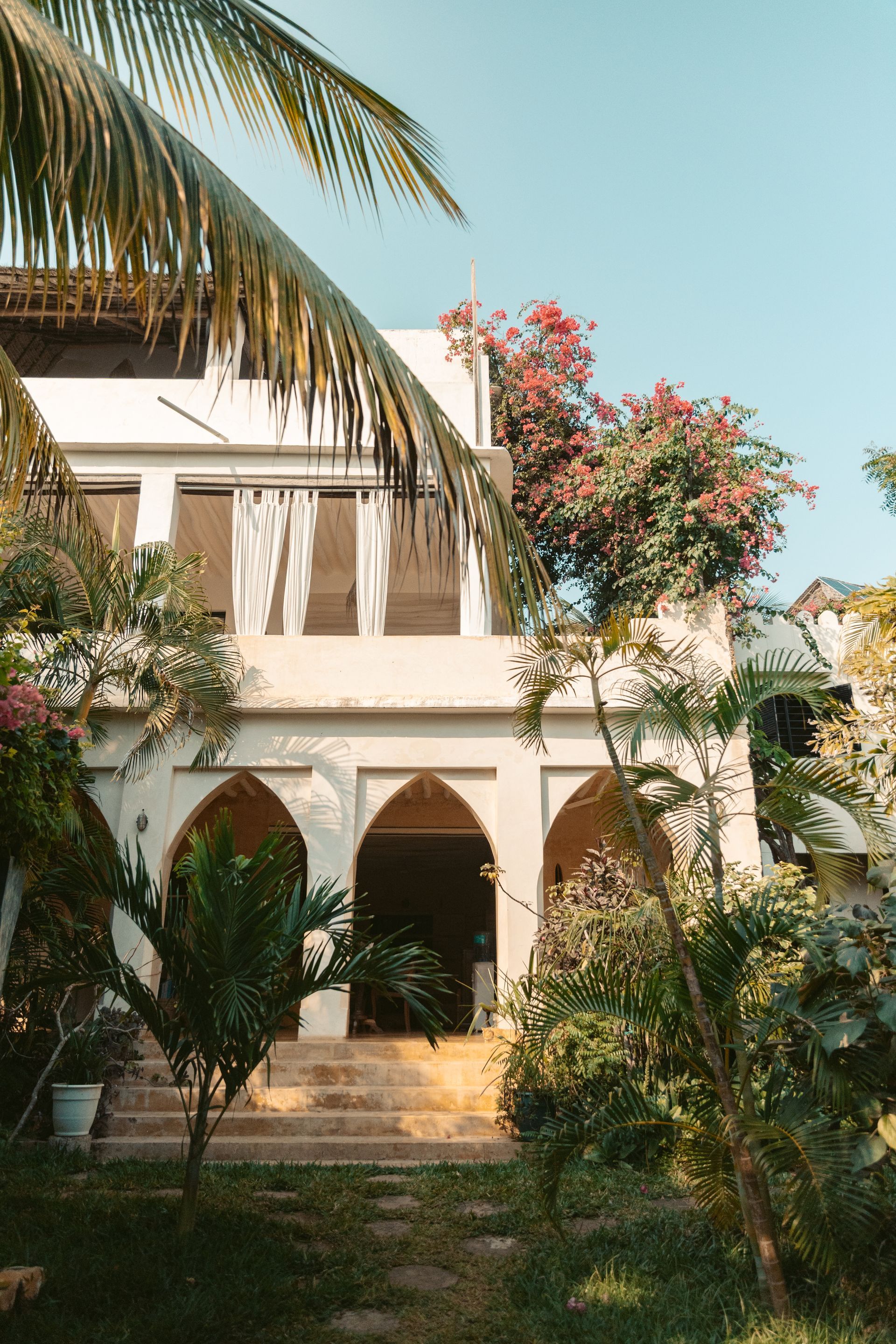
Shela is not a resort strip. It is a working village with mosques, a school, small shops, family homes and generations of history built into its coral walls. Wandering the narrow lanes, you pass intricately carved wooden doors, whitewashed archways, cats dozing in doorways and the occasional donkey ambling past with a load of building sand.
That authenticity is precisely what travellers who dislike large, anonymous hotels are looking for. Culture is not staged for visitors here; you are simply a guest in a place that has been going about its business for centuries.
A little respect goes a long way. Shela is a predominantly Muslim community, so covering shoulders and knees when walking through the village (swimwear for the beach, something looser for the lanes) is appreciated and makes for warmer interactions with the people who live here.
3. There Are No Cars, and That Changes Everything
Lamu Island has almost no vehicles. Getting around Shela means walking, taking a donkey, or hopping into a boat taxi at the jetty. It sounds like an inconvenience for about ten minutes, and then it becomes the single best thing about the island.
Without traffic noise, the soundscape shifts to waves, birds, the call to prayer and conversation. Children play in the lanes. You sleep better. Days slow down without anyone having to remind you to switch off.
Boat taxis connect Shela to Lamu Town in roughly ten to fifteen minutes and run frequently, so you are never stranded. Many guests find they use their feet far more than they expected and enjoy every step of it.
4. Boutique Hotels in Lamu Do Their Best Work in Shela
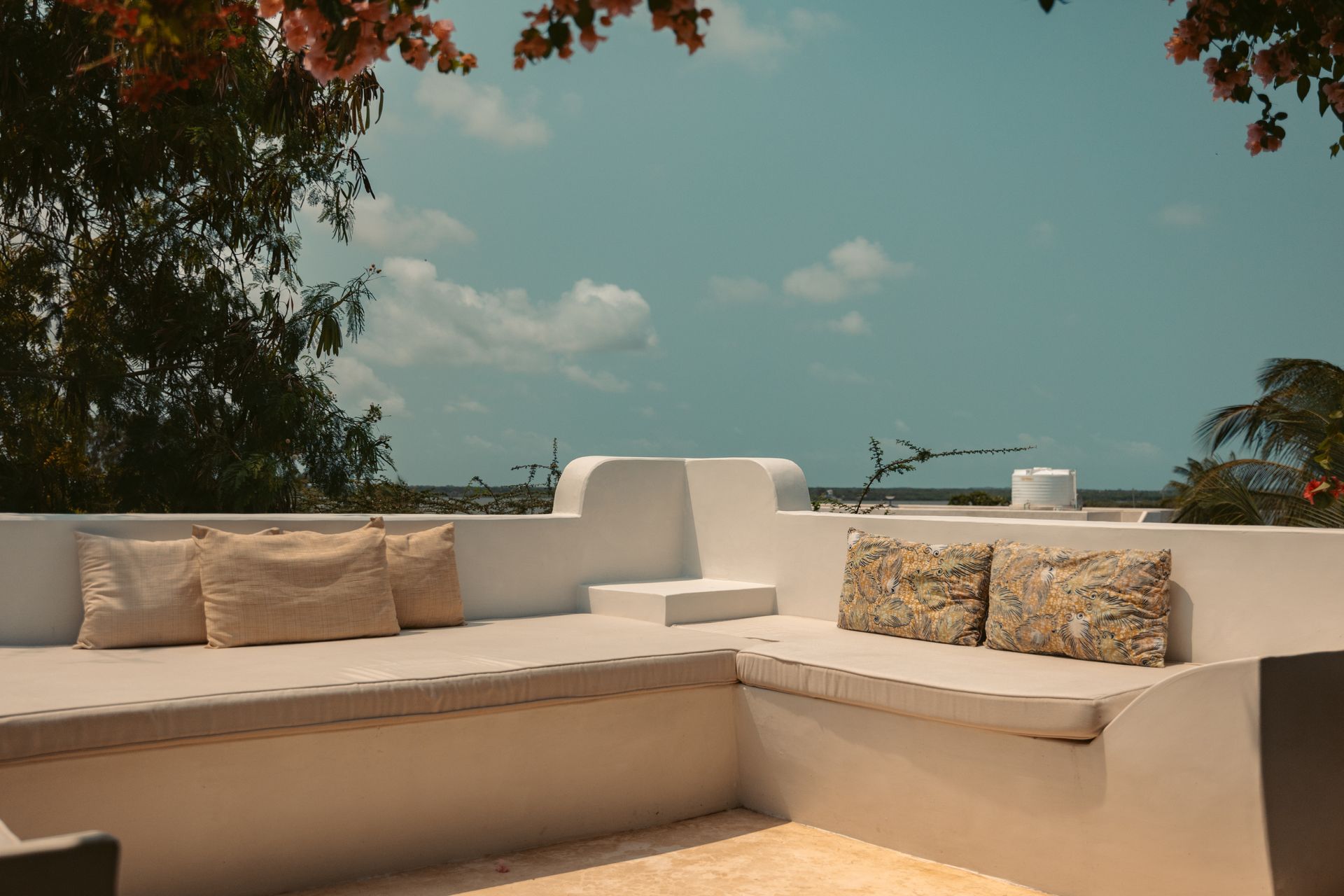
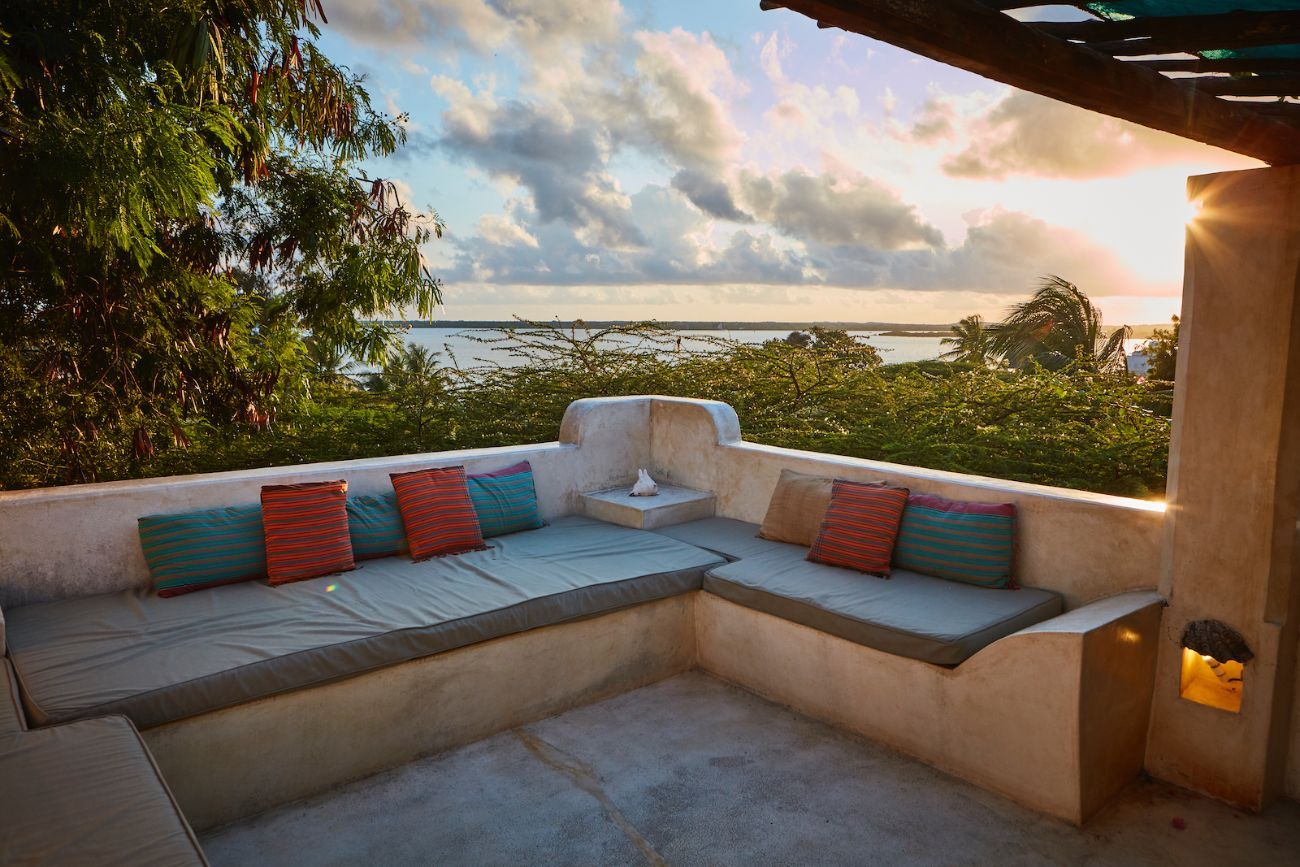
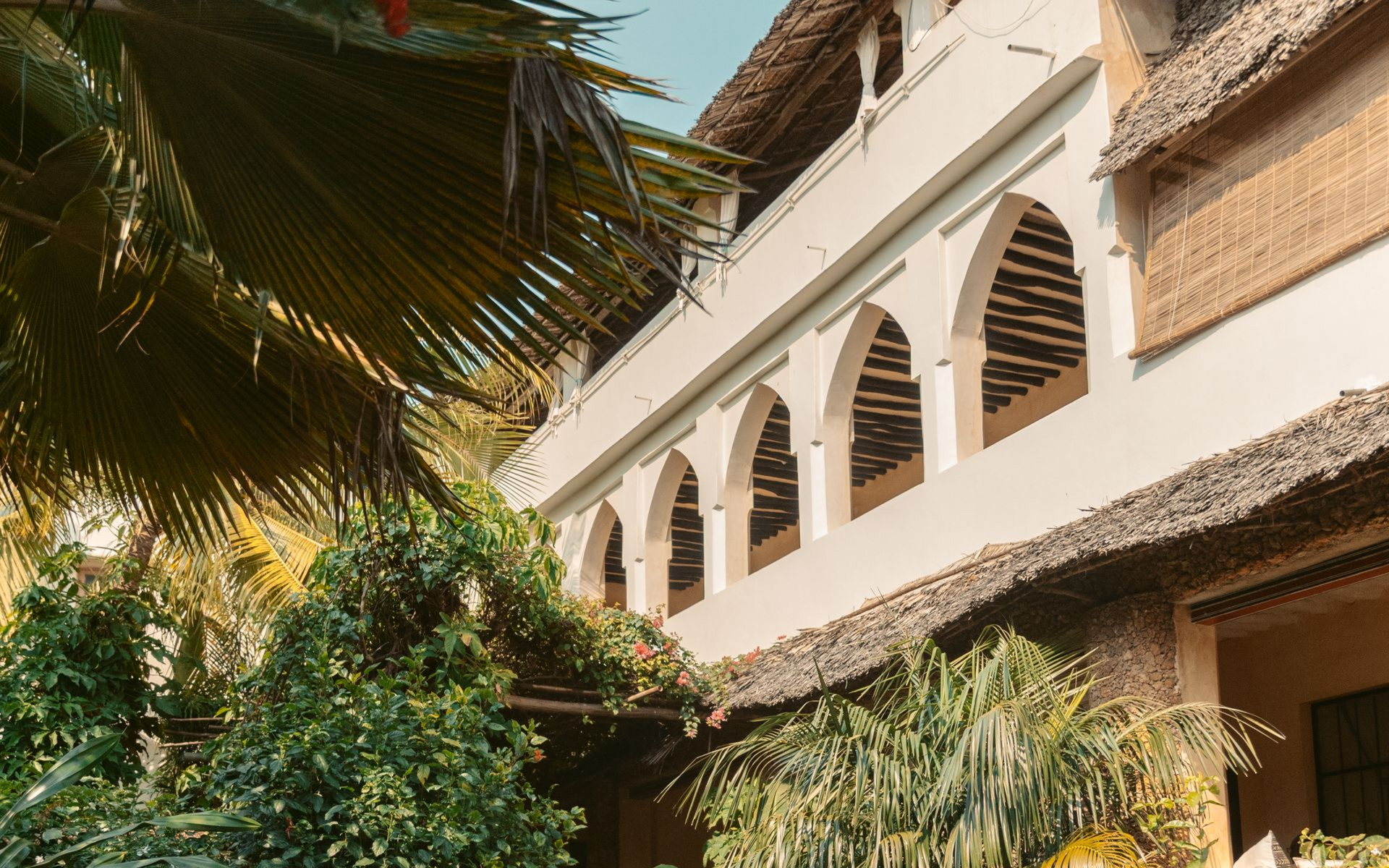
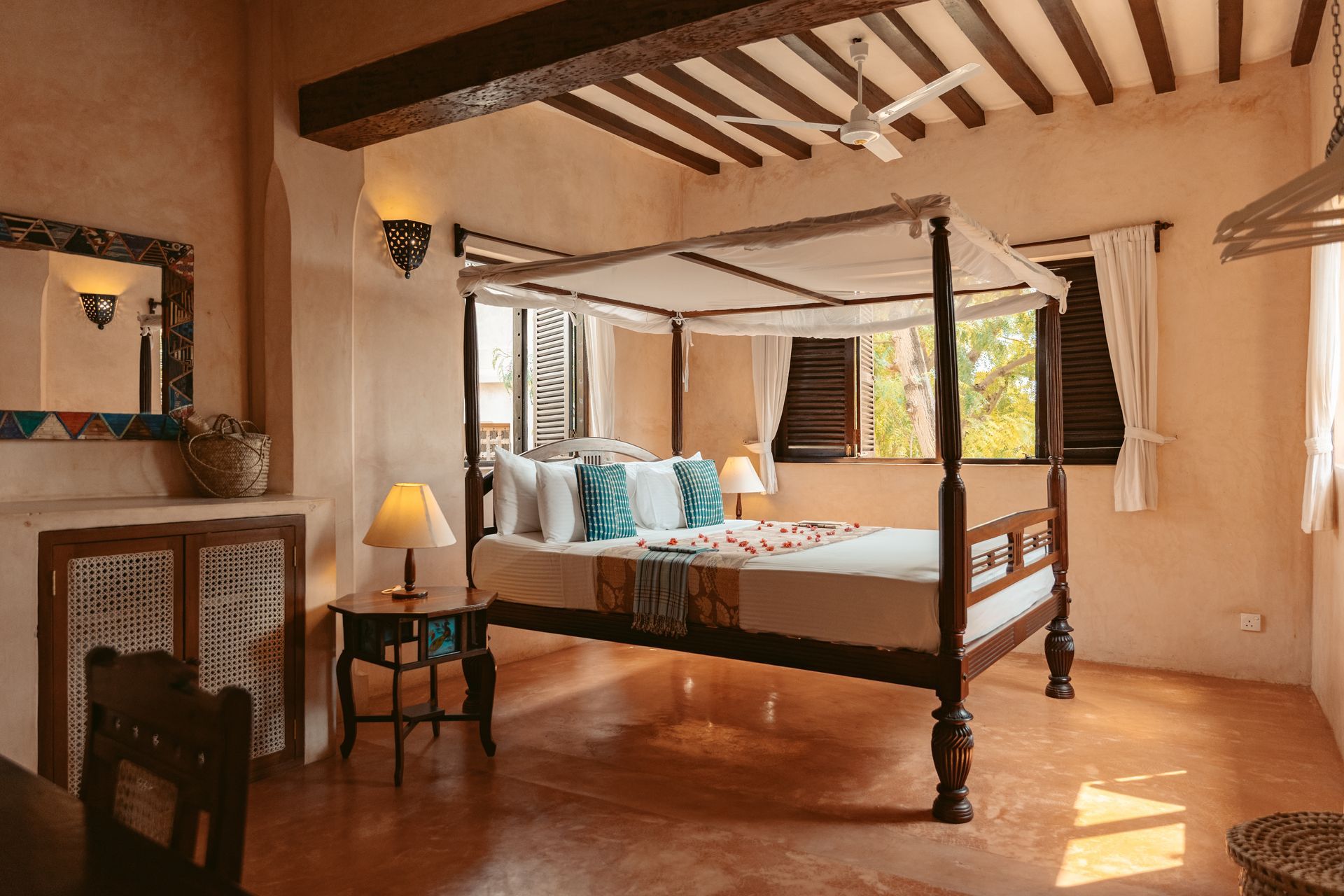
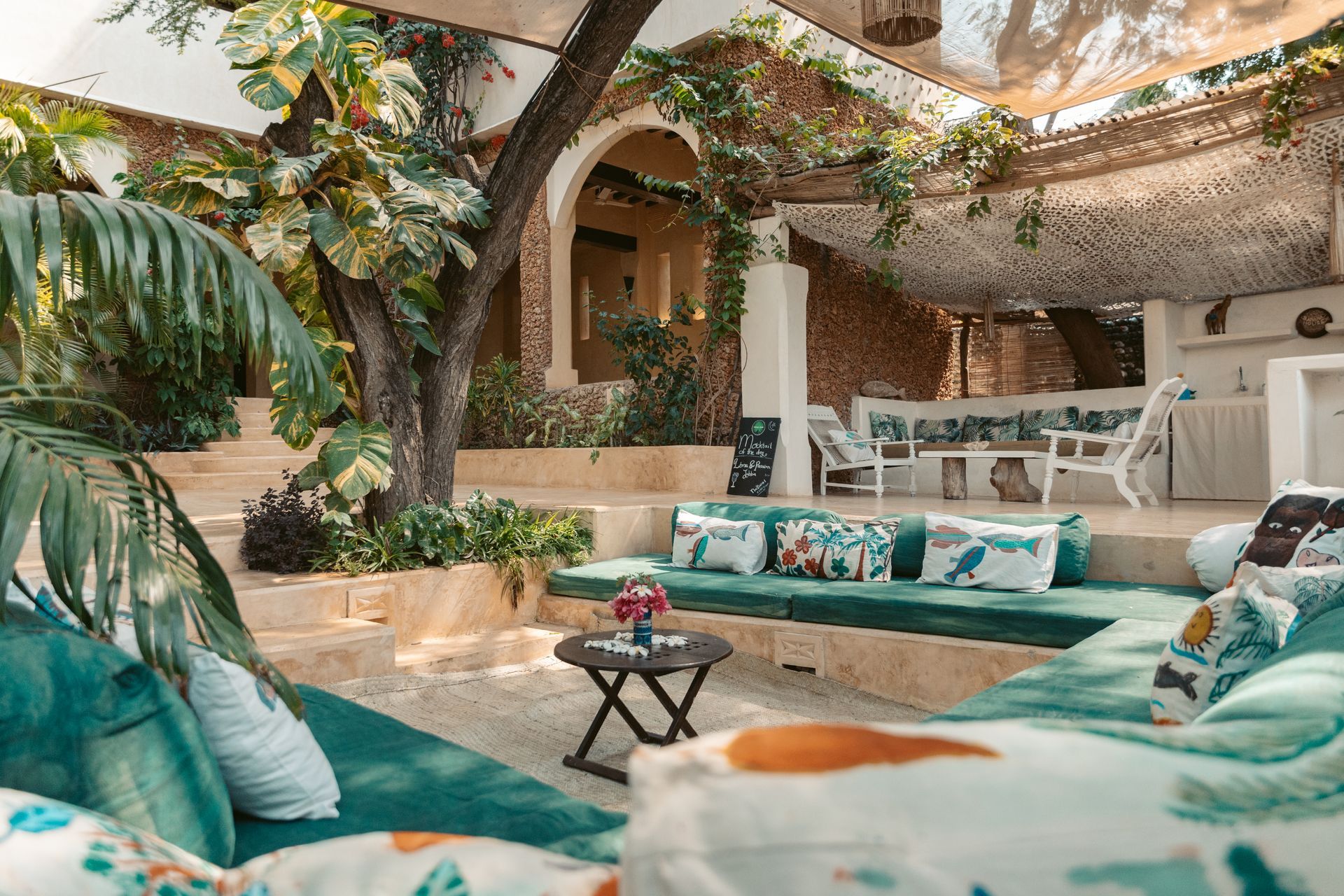
Shela is where Lamu's boutique hospitality tradition really lives. Rather than big resorts, you find converted Swahili houses, small guesthouses, private villas and design-led properties with rooftop terraces, makuti roofs, plaster daybeds and shaded courtyards. Rooms tend to be individual rather than identical, and service tends to be personal rather than processed.
That is the approach we have taken with our rooms and suites, which are built in the traditional Swahili style with open terraces, natural materials and sea or garden views. Staying somewhere small means the team learns your name, your coffee order and whether you prefer your breakfast on the terrace or by the pool.
If you are still deciding between a large property and something more intimate, we have written in more detail about
choosing a boutique hotel in Lamu rather than a larger resort. It covers the practical differences in atmosphere, service and value that are not always obvious from photographs alone.
5. The Food Is Fresh, Local and Genuinely Memorable
Coastal Swahili cooking is one of Kenya's great pleasures: coconut, tamarind, lime, cardamom, chilli and whatever the boats brought in that morning. In Shela you will find rooftop dining, waterfront tables, tiny local kitchens serving mahamri and chai, and hotel restaurants that take real pride in their sourcing.
At our place, meals are cooked fresh each day using local ingredients from our garden and surroundings, which means menus shift with the seasons and with the catch. Our chefs are also happy to adapt dishes to different tastes, dietary needs and spice preferences, so vegetarian, vegan and gluten-conscious guests are looked after properly rather than as an afterthought.
The wider village has plenty of variety too, from seafood grills to casual cafés, and a short boat ride opens up the restaurants and street food of Lamu Town. Few destinations of this size eat this well.
6. It Is the Island's Natural Home for Wellness and Slow Travel
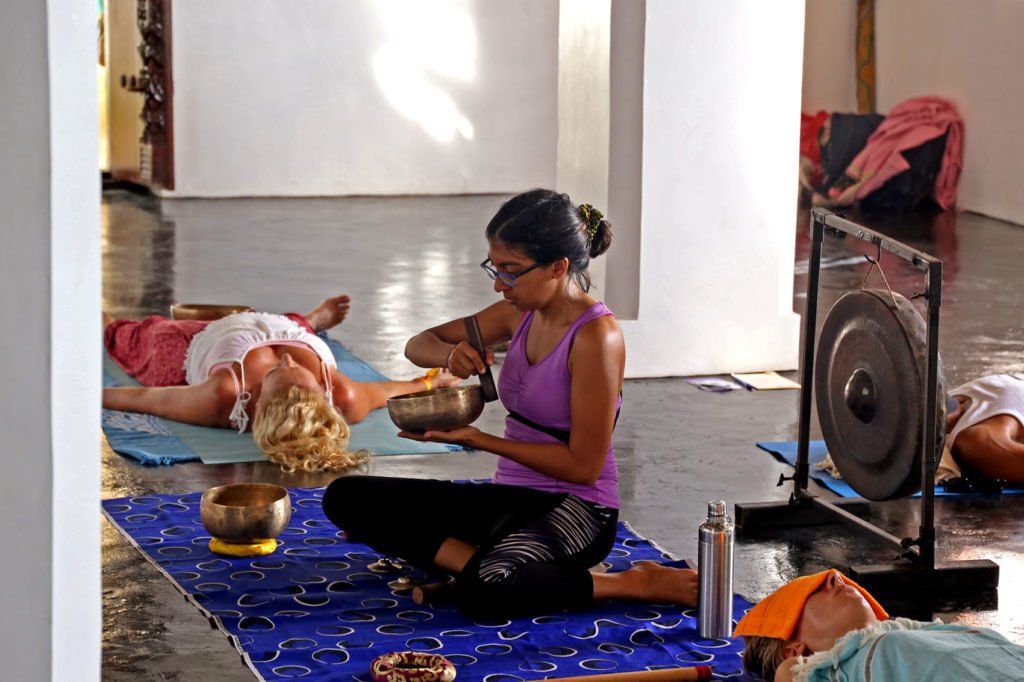
Something about Shela suits people who want to rest properly. Yoga on a rooftop as the sun comes up, a massage after a long beach walk, a swim, a nap, a second swim: this is the rhythm most guests fall into by day two.
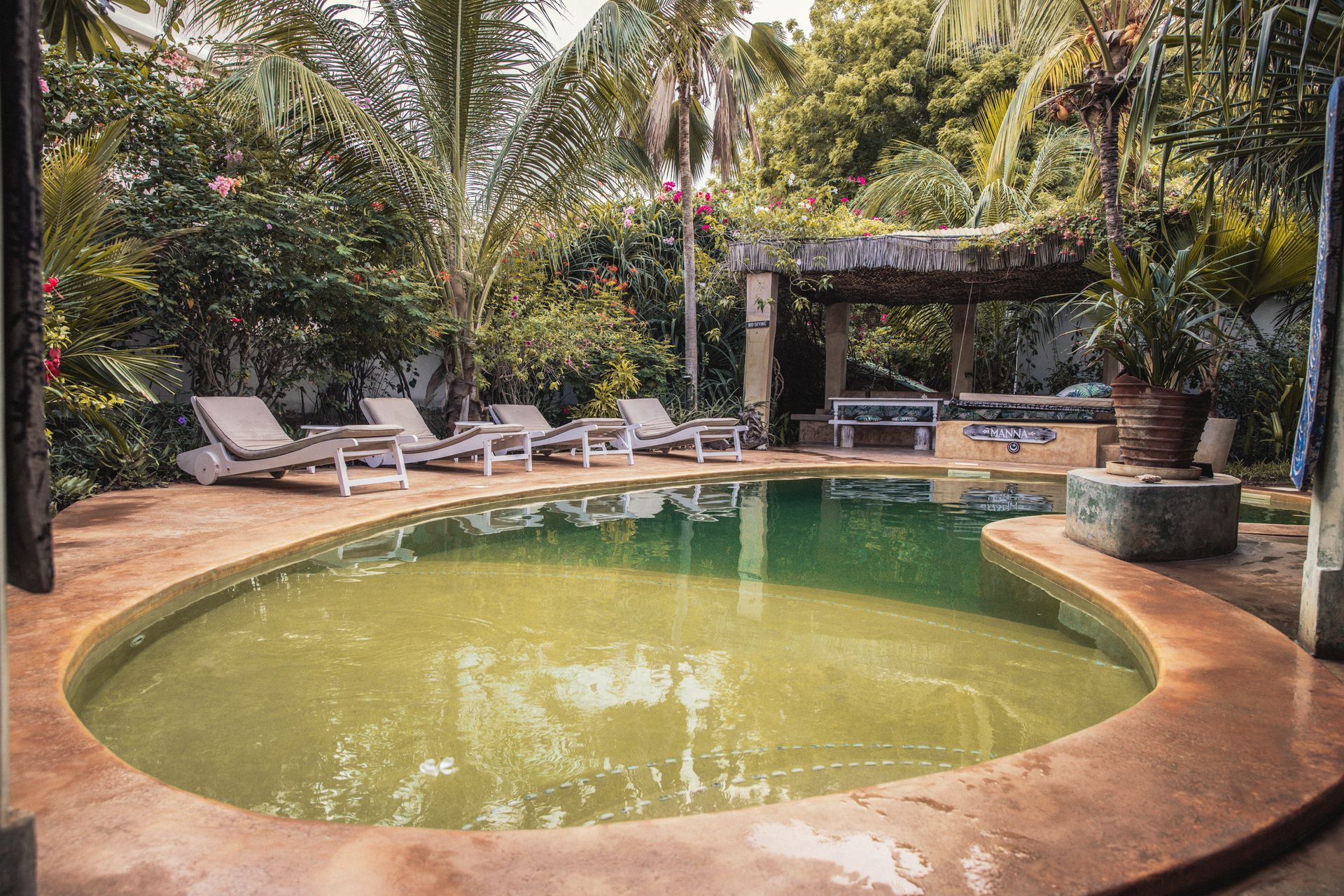
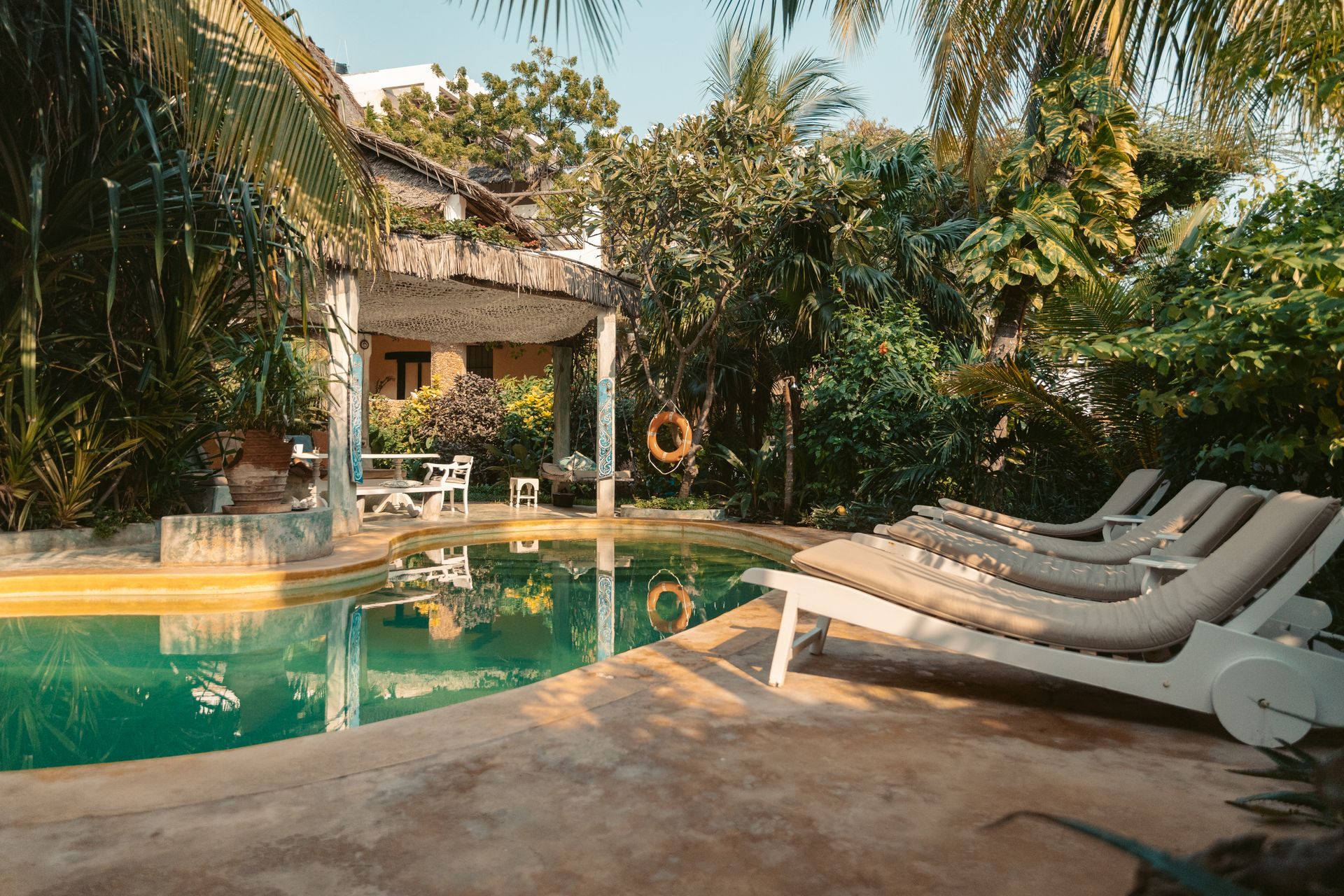
We built our own approach around exactly that, with daily yoga in an open studio, spa treatments and a pool set among the gardens.
You can read more about
what makes our wellness centre special if a restorative Lamu holiday is what you are after.
Slow travel works here because there is no pressure to tick things off. Shela rewards repetition, and the guests who stay longest almost always say they wish they had booked another week.
7. Shela Is the Perfect Base for Dhow Trips and Island Excursions
From the Shela jetty you can be aboard a traditional dhow within minutes. Sunset sails, full-day trips through the mangroves, fishing excursions, snorkelling over reefs and picnic lunches on quiet sandbanks are all part of everyday life here.
Manda Island sits directly opposite, with Manda Beach and the atmospheric Takwa Ruins reachable in a short crossing. Further afield, the villages of Matondoni, Siyu and Pate and the remote beaches around Kiwayu make excellent full-day adventures for travellers with time to spare.
Because captains and guides are largely local and known to the hotels, arranging a trip is usually as simple as mentioning it at breakfast. Our team can help match you with the right boat and the right tide.
8. You Get Peace and Proximity to Lamu Old Town at the Same Time
This is the argument that settles most Shela versus Lamu Town debates. Staying in Shela does not mean missing out on the island's heritage; it simply means you experience it on your own terms and then return to somewhere quiet.
The museums, the Swahili House Museum, the fort, the market, the waterfront and the extraordinary architecture of the old town are all fifteen minutes away by boat, or about forty minutes on foot along the shoreline when the tide is out. Spend a morning exploring, have lunch, then head back to the beach for the afternoon.
It is the best of both worlds, and it is why so many repeat visitors to Lamu Island hotels end up in Shela year after year. For a closer look at the practical criteria worth weighing up, see our guide to the best things to look for in Lamu Island hotels.
Planning Your Stay: A Few Practical Notes
Getting here is easier than most people expect. Flights from Nairobi, Mombasa or Malindi land at Manda Island airstrip, and a boat transfer takes you across to Shela in roughly fifteen to twenty minutes. Arranging that transfer in advance through your hotel is the smoothest option, especially on late arrivals.
The drier, brighter months from December to March and July to October are generally the most popular for a Lamu holiday, while the cultural calendar (including the Lamu Cultural Festival and Maulidi) draws visitors keen to see the island at its most celebratory.
A short packing note that genuinely helps: bring light, loose clothing for the village, high-factor sun protection, a hat, reef-safe sunscreen and a torch for the lanes after dark. Cash is useful for small purchases, and a refillable water bottle saves plastic.
So, Is Shela the Right Base for Your Lamu Holiday?
If you want white sand, warm water, real Swahili character, excellent food and somewhere quiet to sleep, then yes, Shela is very hard to beat among places to stay in Lamu. It offers the rare combination of remoteness and comfort, with heritage, hospitality and the ocean all within a few minutes' walk.
The village suits couples, solo travellers, families, wellness seekers and anyone who wants a holiday that feels unhurried rather than scheduled. Once you have adjusted to island time (usually by the second morning), the hardest part is deciding when to leave.
You can see how we fit into the picture on
our homepage, where you will find our rooms, food, yoga and wellness offering set out in full.
Frequently Asked Questions
Is Shela a better place to stay than Lamu Old Town?
It depends on what you want from your trip. Lamu Old Town is busier, denser and full of history, markets and daily life, while Shela is quieter, greener and right on the beach. Most travellers seeking beach time, boutique accommodation and a restful pace prefer Shela, then visit the old town on day trips.
How far is Shela from Lamu Town?
Shela sits roughly three kilometres from Lamu Old Town. A boat taxi takes about ten to fifteen minutes, and when the tide allows you can walk along the waterfront in around forty minutes. Both options are used daily by residents and visitors alike.
How do I get from Lamu airport to Shela?
Flights arrive at Manda Island airstrip, and you cross to Shela by boat in about fifteen to twenty minutes. We recommend arranging your transfer in advance with your hotel so a boat and a member of staff are waiting for you on arrival.
What kinds of accommodation are available in Shela?
Shela offers boutique hotels, converted Swahili houses, guesthouses, private villas and serviced holiday homes rather than large resorts. Properties vary from simple and affordable to genuinely luxurious, with many featuring rooftop terraces, pools, gardens and sea views.
Is Shela good for a wellness or yoga holiday?
Very much so. The village's slow pace, quiet lanes and beach setting make it a natural fit for yoga, spa treatments, swimming and rest. Several properties, including ours, run daily yoga and offer massage and wellness experiences on site.
When is the best time to visit Shela and Lamu Island?
The most popular periods are December to March and July to October, when conditions are typically dry and sunny. The long rains around April and May are quieter and greener, and some businesses reduce their hours, so it is worth checking availability before booking.
Ready to Wake Up to the Sound of the Indian Ocean?
If Shela sounds like your kind of place, we would love to help you plan a stay that fits exactly how you like to travel, whether that is yoga at sunrise, dhow trips at sunset or several unbroken days of doing very little at all.
Send us a note at
banana@bananahouse-lamu.com or reach our team through
the contact page, and we will talk you through rooms, transfers from Manda airstrip and the best time of year for the holiday you have in mind.
Karibu Shela.