A First-Timer's Guide to Visiting Lamu Island, Kenya
The Island Where the Cars Never Arrived
There is a moment, somewhere between stepping off the little plane at Manda Airport and settling into a wooden boat for the short crossing, when you realise that Lamu Island runs on a completely different rhythm to the rest of the world. There are almost no cars here. Donkeys carry the shopping, dhows carry everything else, and the loudest thing you are likely to hear is the call to prayer drifting across the rooftops at dusk.
We have been welcoming guests to Shela village for many years at Banana House & Wellness Centre, and the question we hear most often from first-time visitors is some version of "what do we actually need to know before we come?" This Lamu travel guide is our answer: an honest, practical walk through getting here, where to stay in Lamu, what to do, what to eat, and how to slip gracefully into island life.
Lamu is not a resort strip and it does not pretend to be. It is a living Swahili town, a UNESCO World Heritage Site, and one of the oldest continuously inhabited settlements in East Africa. Come with curiosity rather than a tight itinerary, and the island will reward you generously.
Where Is Lamu Island and Why Visit?
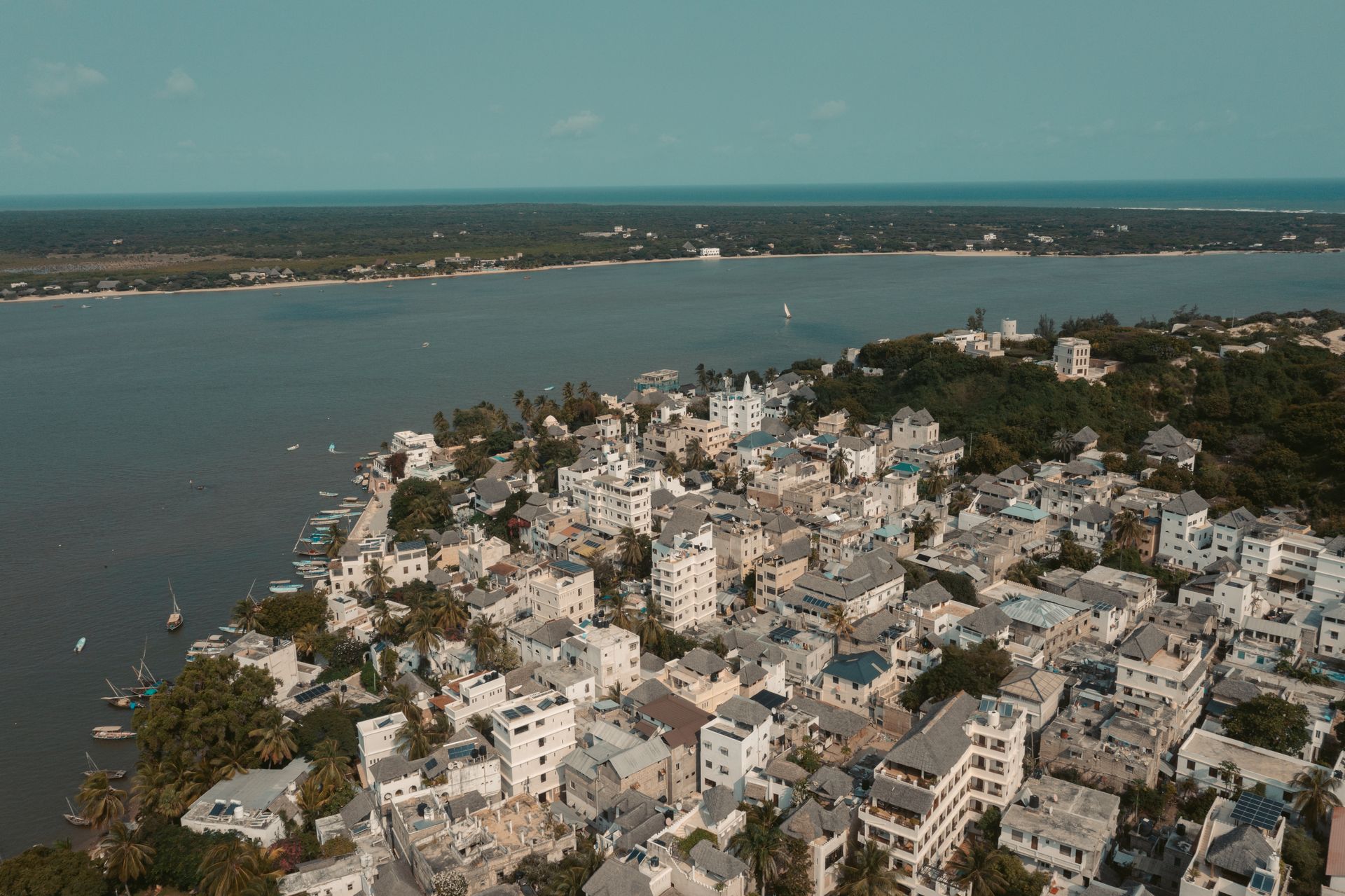
Lamu Island sits in the Lamu archipelago off Kenya's far northern coast, roughly an hour's flight from Nairobi and a short hop from Mombasa or Malindi. The archipelago includes Manda Island, Pate and Kiwayu, all separated by mangrove-lined channels and tidal sandbanks that shift with the moon.
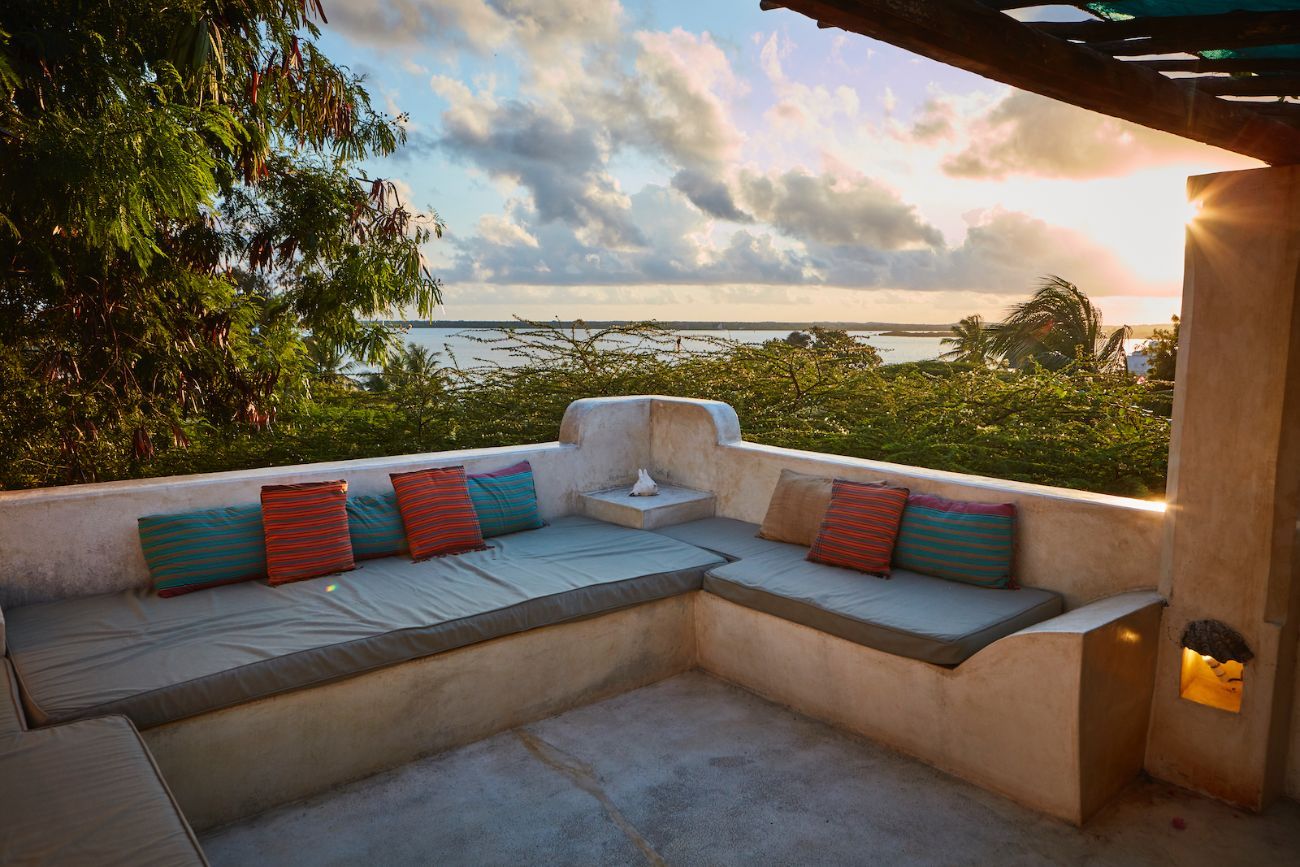
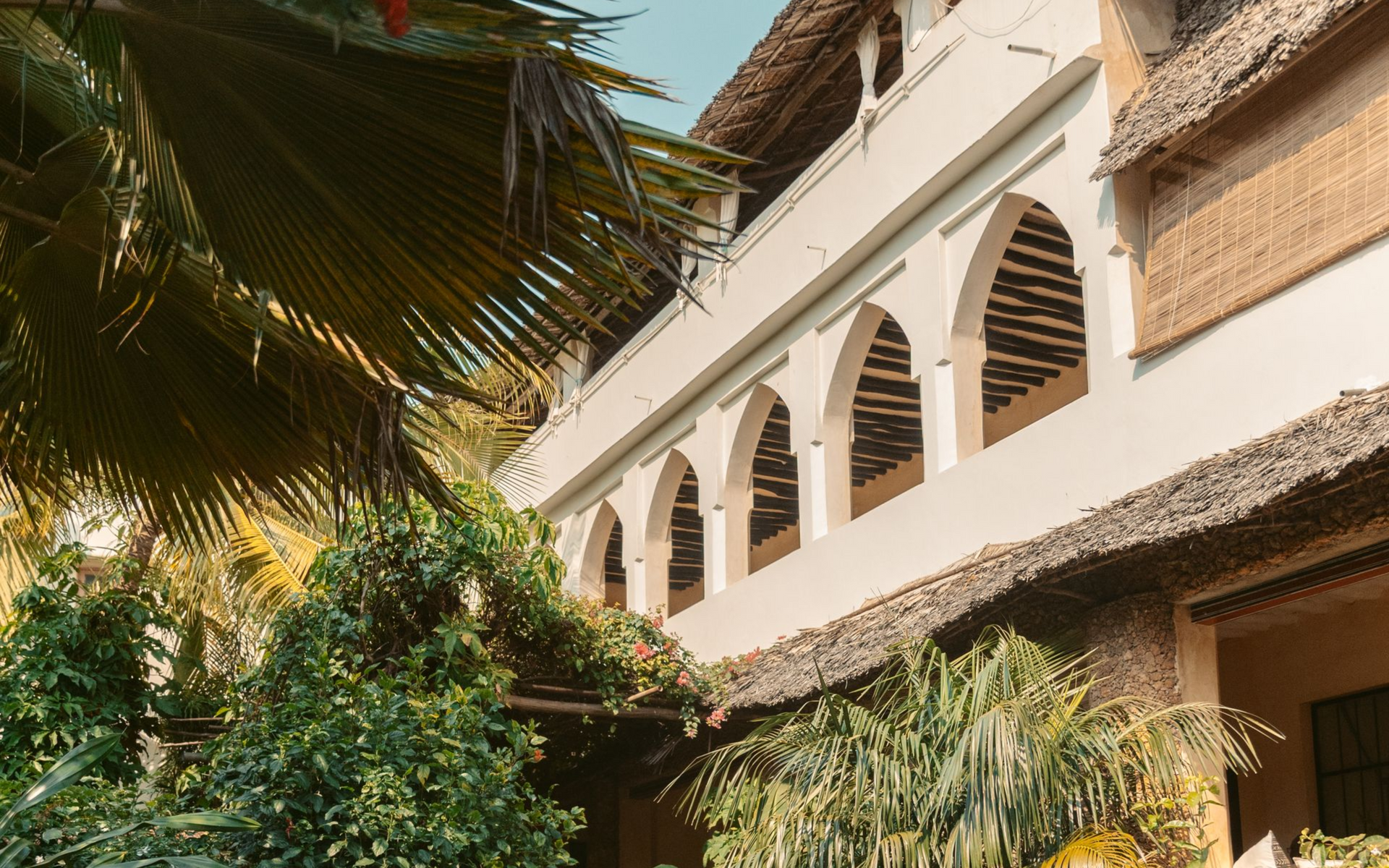
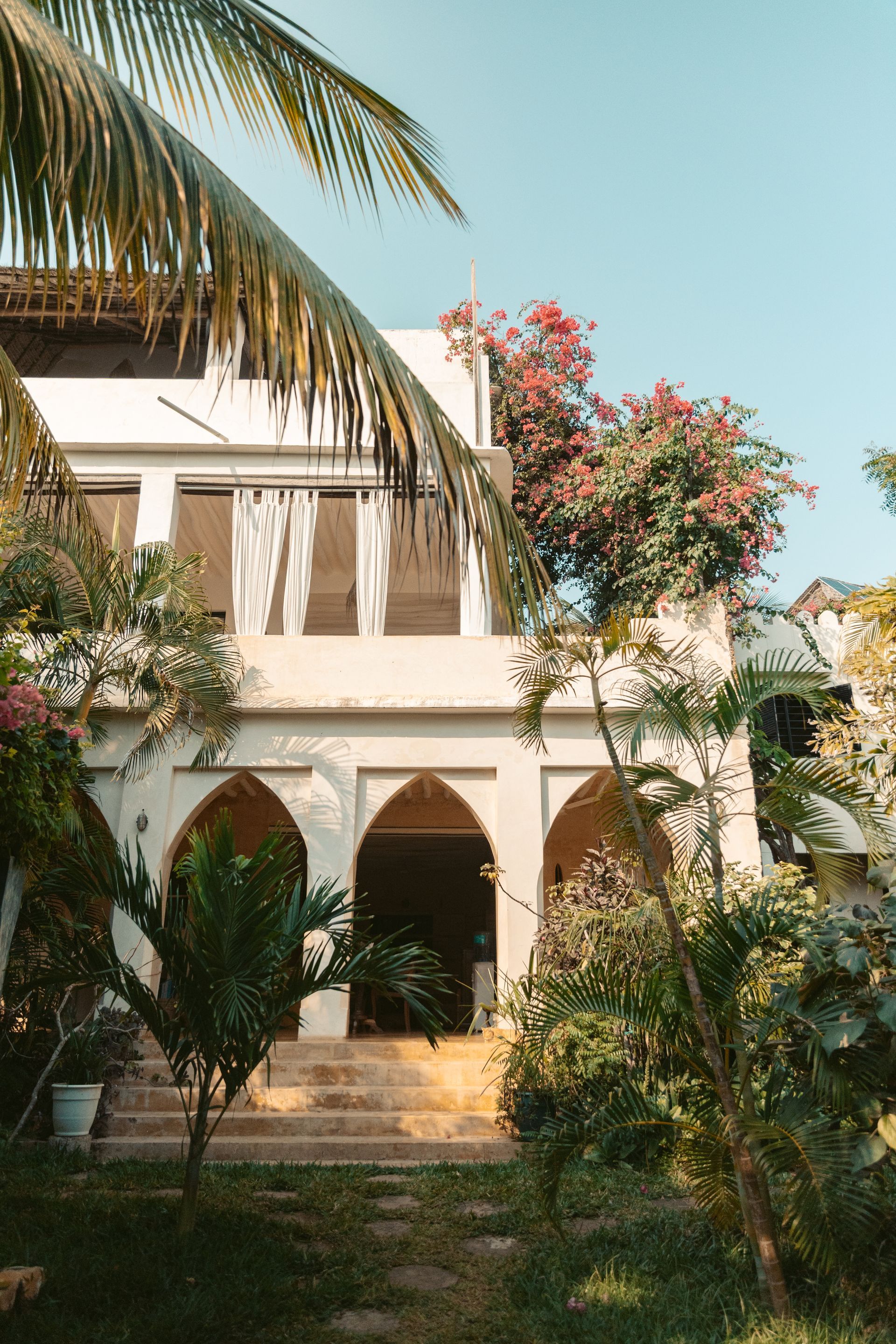
What makes Lamu Kenya's most distinctive coastal destination is its continuity. Lamu Old Town has been a trading port for more than seven centuries, and UNESCO inscribed it as a World Heritage Site in 2001 for its remarkably preserved Swahili architecture and living culture. Coral-stone walls, carved wooden doors, inner courtyards and rooftop terraces are not museum pieces here; people live in them.
For a first-timer, the appeal is the combination. You get an authentic cultural experience, twelve kilometres of empty white sand at Shela Beach, warm Indian Ocean water, exceptional Swahili food and a pace of life that locals describe as "pole pole" (slowly, slowly). Few places on the Kenyan coast manage all of that at once.
Getting to Lamu Island: Flights, Boats and Transfers
Most visitors fly. Several domestic carriers operate daily scheduled flights from Nairobi (Wilson Airport) to Manda Airport, usually with a stop in Malindi or Mombasa, and the whole journey takes around ninety minutes. Flying is by far the simplest and most popular option, and it is what we recommend to almost every guest arriving for the first time.
Manda Airport is on neighbouring Manda Island, so your arrival involves a short boat ride across the channel. This is the part first-timers remember most fondly: you walk a few metres from the airstrip to the jetty, climb into a boat, and arrive in Shela or Lamu Town by water. If you let your hotel know your flight details in advance, a boat and a porter will be waiting, which removes any guesswork about fares or luggage.
Overland travel to Mokowe on the mainland, followed by a public ferry, is possible and cheaper, but it is a long journey and the route has historically attracted security advisories. We suggest checking the latest UK government travel advice for Kenya before finalising any overland plans, and flying if you have the budget. Most nationalities also need to apply online for a Kenyan Electronic Travel Authorisation through the official eTA portal before departure.
Getting Around: Boats, Donkeys and Your Own Two Feet
Lamu Island has virtually no road network and almost no private cars, which is precisely why it feels the way it does. You move around on foot through the narrow streets, by donkey if you are carrying something heavy, or by water taxi between Shela, Lamu Town, Manda Beach and the wider archipelago.
Water taxis are the island's buses. They run constantly between the Shela jetty and Lamu Town, take about fifteen to twenty minutes, and are easy to arrange from any hotel or directly at the waterfront. Agree the fare before you set off, and be aware that tides influence where boats can land, so departure times flex a little.
Walking between Shela and Lamu Town along the shoreline is possible at low tide and takes roughly forty-five minutes, which is a lovely way to see donkeys, dhow builders and village life up close. Bring water, a hat and shoes you do not mind getting sandy.
Where to Stay in Lamu: Shela, Lamu Town or Manda Island
Choosing a base is the single biggest decision in planning Lamu Island holidays, because the three main areas offer genuinely different experiences. Lamu Town is atmospheric, busy and historic, with museums, markets, the fort and the deepest sense of everyday Swahili life. It suits travellers who want to be immersed in the heart of things and do not mind noise and crowds.
Shela village, about two kilometres along the shore, is quieter, greener and opens directly onto that enormous beach. This is where most boutique hotels in Shela, Lamu are found, and where visitors who want a balance of culture and calm tend to settle. Manda Island, across the channel, is the most secluded option, ideal if you want total privacy but less convenient for spontaneous wandering.
We are biased, of course, because our own boutique hotel sits in Shela, but the reasoning is sound. If you would like the full argument, we set it out in detail in our piece on why Shela is one of the best places to stay in Lamu, which covers the beach, the walkability and the village atmosphere.
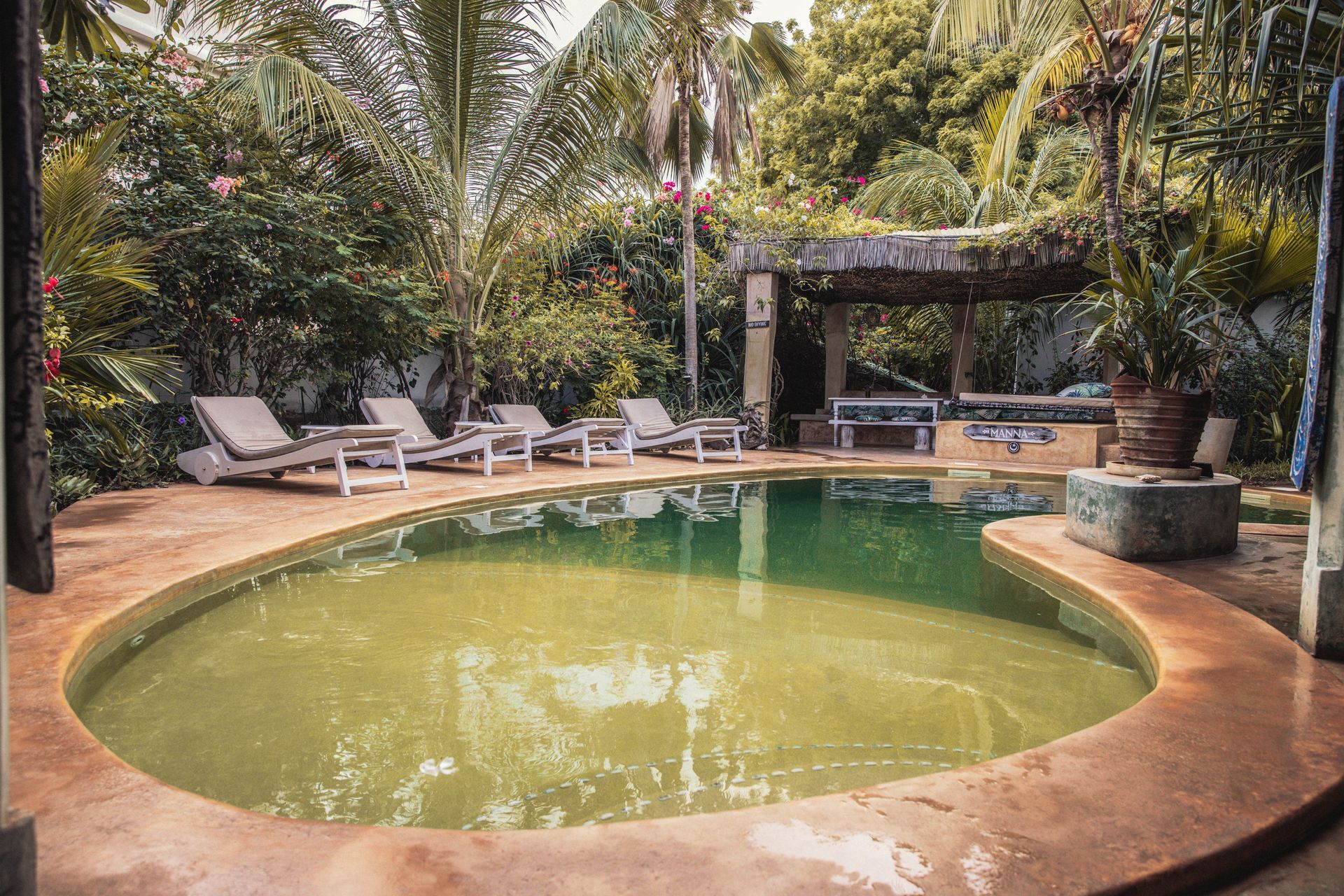
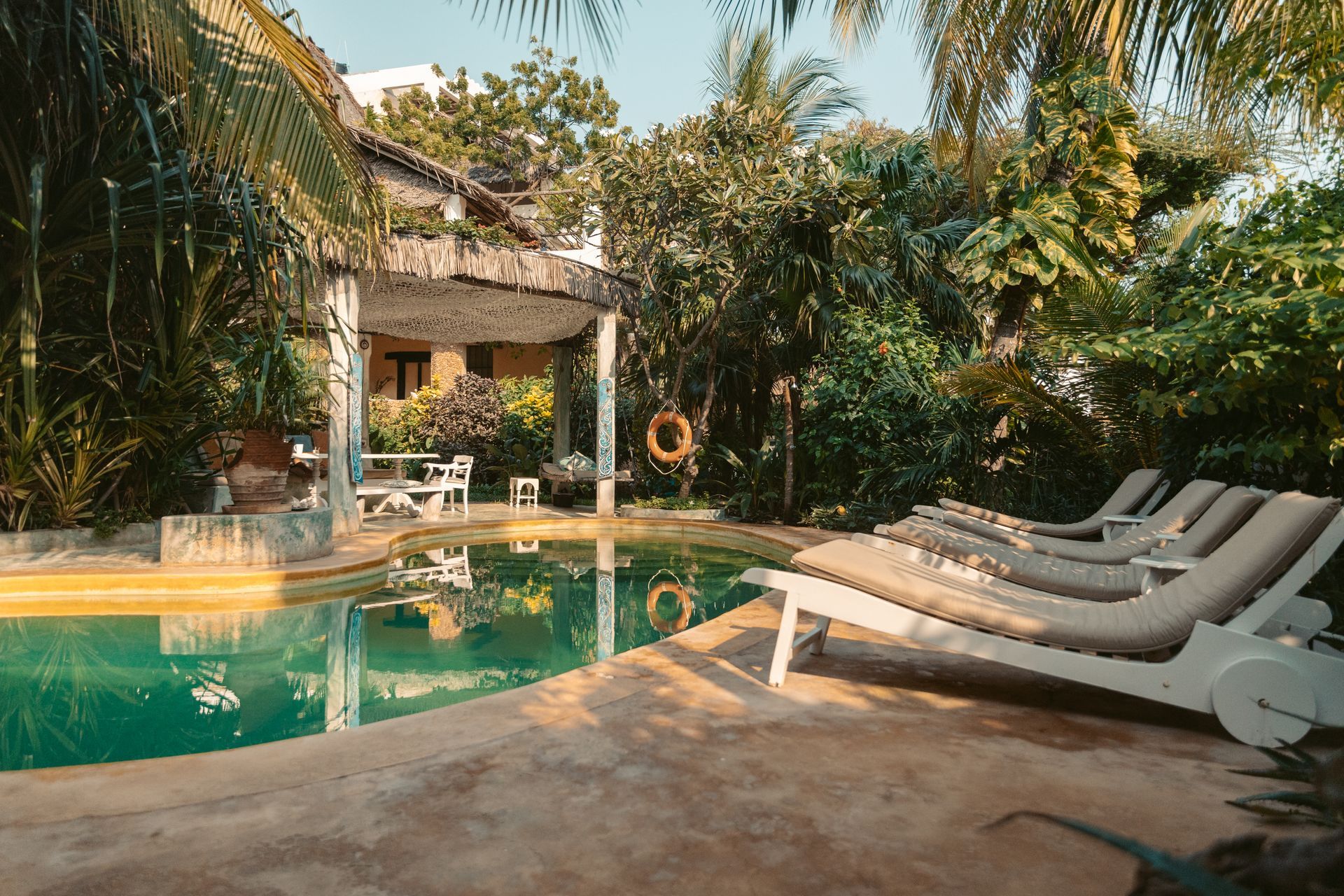
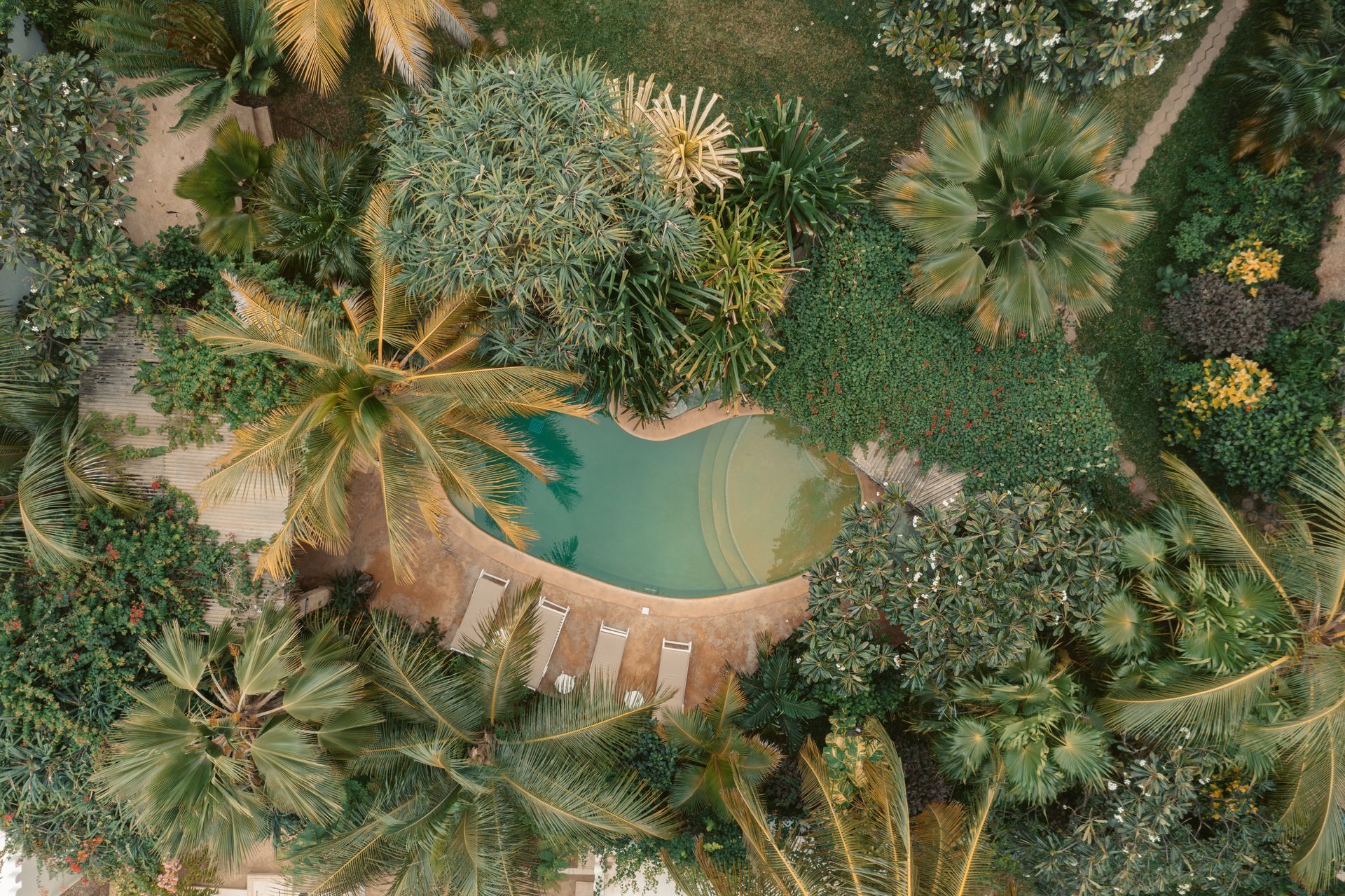
Lamu accommodation ranges widely, from simple guesthouses in Lamu Town to private Swahili houses and high-end lodges. For couples, solo travellers and small families, a boutique hotel in Lamu usually hits the sweet spot: personal service, a pool to retreat to during the hottest hours, and staff who can arrange boats, guides and dhow trips on your behalf. You can browse our rooms and suites in Shela to get a sense of what that looks like in practice.
Best Things to Do in Lamu for First-Time Visitors
A guided walking tour of Lamu Old Town is the single most valuable thing a first-timer can do, ideally on your first morning. A local guide will explain the symbolism in the carved doors, the logic of the labyrinthine streets, and the trading history that connected Lamu to Oman, India and Persia. Afterwards, the town stops feeling confusing and starts feeling legible.
The museums are small but worthwhile. Lamu Museum on the waterfront, the Swahili House Museum, Lamu Fort and the much-loved Donkey Sanctuary can comfortably be covered in a single relaxed day, with a samosa stop in between. Across the water on Manda Island, the atmospheric Takwa Ruins, a 16th-century Swahili settlement reached by boat through the mangroves, make an excellent half-day excursion.
A dhow trip is non-negotiable. Whether it is a sunset sail with sundowners, a day trip to Manda Toto for snorkelling, or a slow mangrove cruise with grilled fish cooked on board, sailing on a traditional dhow is the defining Lamu experience. Beyond the water, Shela's twelve-kilometre beach is made for long walks, the dunes behind the village are the best sunset viewpoint on the island, and kitesurfing, paddleboarding and diving are all available in season.
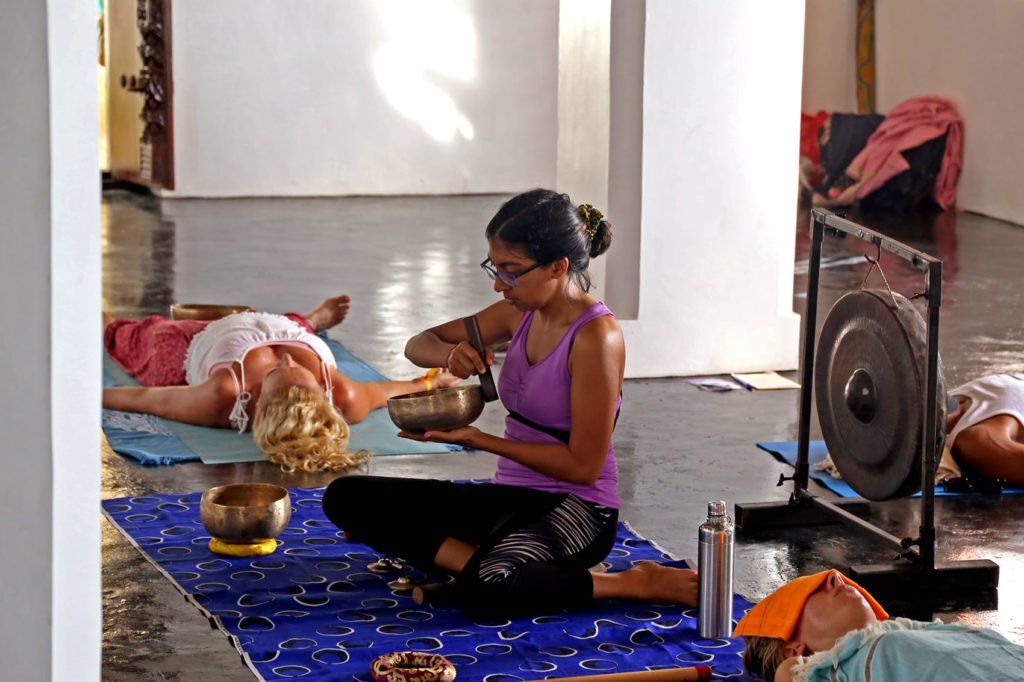
Then there is the quieter side of things to do in Lamu: yoga at sunrise, a swim, a long lunch, an afternoon with a book. We offer daily yoga in our open-sided studio, and the annual Lamu Yoga Festival in March draws practitioners from around the world. If slow travel is what you are after, our guide on how to plan a relaxing holiday on Lamu Island is a useful starting point.
Eating Well: Swahili Food on Lamu Island
Swahili cuisine is coastal African cooking shaped by centuries of Indian Ocean trade, which means coconut, tamarind, cardamom, cumin and chilli applied to some of the freshest seafood you will ever eat. Expect fish biriyani, coconut crab, prawns, chapati, samosas, fresh mango juice and sweet Swahili coffee poured from a brass pot in the street.
In both Lamu Town and Shela you will find rooftop restaurants, small cafés and beachfront spots where lunch stretches comfortably into the afternoon. Food is an experience here rather than a refuelling stop, so build time for it into your day.
At our own kitchen, meals are cooked fresh each day using local ingredients from the garden and surroundings, and our chefs are happy to adapt dishes to different tastes, dietary needs and spice preferences. Vegetarian, vegan and gluten-free travellers generally eat very well on Lamu, provided you mention your requirements when booking.
When to Visit Lamu and How Long to Stay
Lamu is warm year-round, with the main dry seasons running from roughly December to March and again from July to October. The long rains fall between April and June, when some businesses close and the island is at its quietest, while the shorter rains in November are usually brief and localised.
High season peaks around Christmas and New Year, and during the Lamu Cultural Festival (typically November), the Maulid Festival and the Lamu Yoga Festival. These are wonderful times to visit, but accommodation books out months ahead, so plan early if your dates are fixed.
As for duration, three nights is the realistic minimum and four or five is better. One day for Lamu Old Town, one for a dhow trip or Takwa Ruins, and one or two for doing deliberately very little is a balanced first-timer formula. Most of our guests tell us they wished they had stayed longer, which is as reliable a recommendation as any.
Culture, Dress and Etiquette on a Muslim Island
Lamu is a predominantly Muslim community, and visitors who dress and behave respectfully are met with genuine warmth. In Lamu Town and Shela village, that means covering shoulders and knees, keeping swimwear for the beach and pool, and avoiding public displays of affection. Lightweight linen, loose trousers and a scarf are both respectful and sensible in the heat.
Always ask before photographing people, particularly women, and be mindful during Ramadan, when daytime eating and drinking in public is best avoided. Alcohol is available at licensed hotels and a handful of bars in Shela and Manda, but it is not sold openly across the island, so do not expect a nightlife scene.
A few practical essentials make life easier. Carry Kenyan shillings in small denominations because card facilities are limited, bring reef-safe sun protection and insect repellent, pack a torch for unlit lanes at night, and arrange comprehensive travel insurance before you fly.
Why Lamu Stays With You Long After You Leave
Most first-time visitors arrive expecting a beach holiday and leave having had something closer to a recalibration. The absence of traffic, the sound of the sea, the smell of cardamom coffee and the simple courtesy of island life combine into a pace that is very hard to find elsewhere, and surprisingly hard to let go of once you have adjusted to it.
Our advice is to resist over-planning. Book your flights, choose your Lamu hotels carefully, lock in a dhow trip and a walking tour, then leave the rest open. The island will fill the gaps better than any itinerary could, and the best afternoons usually turn out to be the ones nobody scheduled.
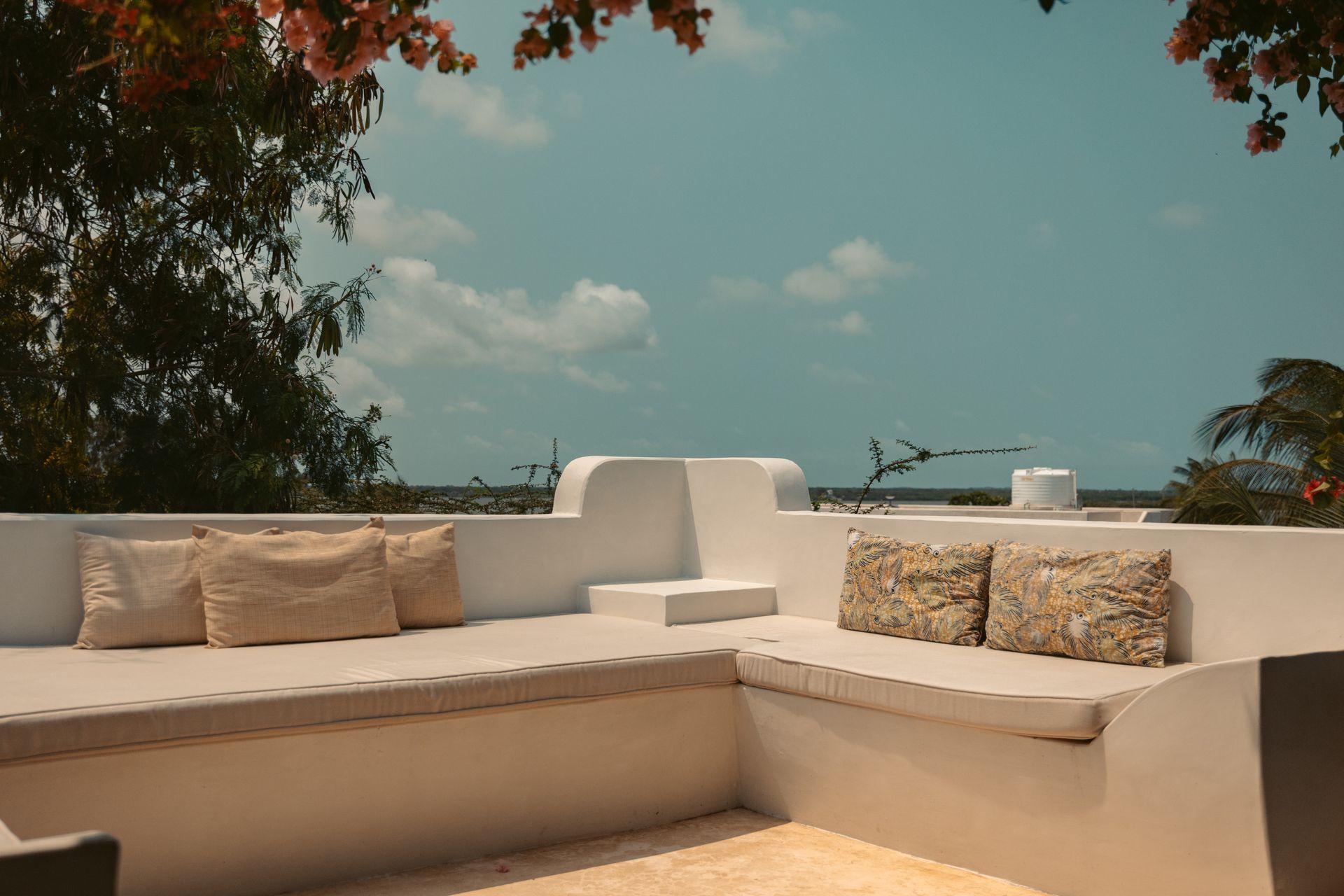
If you would like to understand the kind of stay we offer in Shela, from the yoga studio and the pool to the rooftop views, you can read more about what makes our wellness centre and boutique hotel special.
Frequently Asked Questions About Visiting Lamu Island
How do I get to Lamu Island from Nairobi?
Daily scheduled flights run from Wilson Airport in Nairobi to Manda Airport, usually taking around ninety minutes including a brief stop in Malindi or Mombasa. From Manda Airport you take a short boat transfer across the channel to Shela or Lamu Town, which your hotel can arrange in advance if you share your flight details.
Where should first-time visitors stay: Lamu Town or Shela?
Shela is generally the easier choice for first-timers. It is quieter, sits directly on a twelve-kilometre beach, has a good concentration of boutique Shela hotels and restaurants, and is only a fifteen-minute boat ride from Lamu Old Town, so you get the culture without the constant bustle.
How many days do you need in Lamu?
Three nights is the practical minimum and four or five nights is ideal. That gives you time for a guided tour of Lamu Old Town, a dhow sail or a trip to the Takwa Ruins, a beach day, and at least one day with nothing planned at all.
What is the best time of year to visit Lamu Kenya?
The dry seasons from December to March and July to October offer the most reliable weather. April to June brings the long rains and the quietest conditions, while November tends to see short showers alongside the Lamu Cultural Festival. Festive-season and festival dates book up far in advance.
What should women wear in Lamu?
Lamu is a conservative Muslim island, so loose clothing covering shoulders and knees is appropriate in Lamu Town and around Shela village. Swimwear is fine on the beach and at hotel pools but should be covered up when walking through the villages. A light scarf is a useful addition to any packing list.
Is Lamu Island safe for tourists?
Lamu Island itself is widely regarded as welcoming and relaxed, with a strong community feel and a visible tourism presence in Shela and Lamu Town. Most advisories relate to the overland route and areas near the Somali border rather than the island, which is why flying in is the recommended approach. Always check current government travel advice before you book.
Ready to Swap Traffic for Dhows? Let's Plan Your Lamu Stay
If this guide has you picturing a rooftop breakfast, a sunrise yoga class and a boat waiting at the jetty, we would love to help you make it real. Our team in Shela can advise on flights, airport boat transfers, dhow trips, guided walking tours and the best time of year for the kind of holiday you have in mind.
Tell us your dates, who is travelling and what you hope to get out of your first visit, and we will come back with honest recommendations rather than a sales pitch. You can send your enquiry or booking request directly through the contact page on our website, and we will reply personally.
Lamu has a way of turning first-time visitors into regulars. Come and find out why.