Why Stay in a Boutique Hotel in Lamu Instead of a Larger Resort?
The Secret Most Travellers Wish They Knew Before Booking Lamu Accommodation
Lamu Island is unlike anywhere else in Kenya. A car-free island where donkeys carry cargo through narrow coral stone alleyways, where the call to prayer mingles with the sound of the Indian Ocean, and where Swahili culture has remained beautifully intact for centuries. When it comes to choosing where to stay in Lamu, the type of accommodation you select can genuinely shape the quality of your trip.
Many travellers default to the idea of a larger resort, assuming that bigger means better. More rooms, more amenities, more polish. But in a destination as culturally rich and unhurried as Lamu, that logic often works in reverse. A boutique hotel in Lamu offers something a larger resort simply cannot replicate: an intimate, rooted, and genuinely personal experience that connects you to the island rather than insulating you from it.
In this guide, we explore why boutique hotels in Lamu are increasingly the preferred choice for travellers seeking luxury, wellness, cultural immersion, and a pace of life that feels both indulgent and real.
What Exactly Is a Boutique Hotel, and How Does It Differ from a Resort?
Before we compare experiences, it is worth understanding what sets a boutique hotel apart. Boutique hotels are typically smaller properties, often independently owned, with fewer rooms and a stronger emphasis on character, design, and personal service. Unlike large resorts, which tend to follow a standardised formula across multiple locations, boutique hotels are shaped by their surroundings. They reflect the architecture, culture, and spirit of the place they call home.
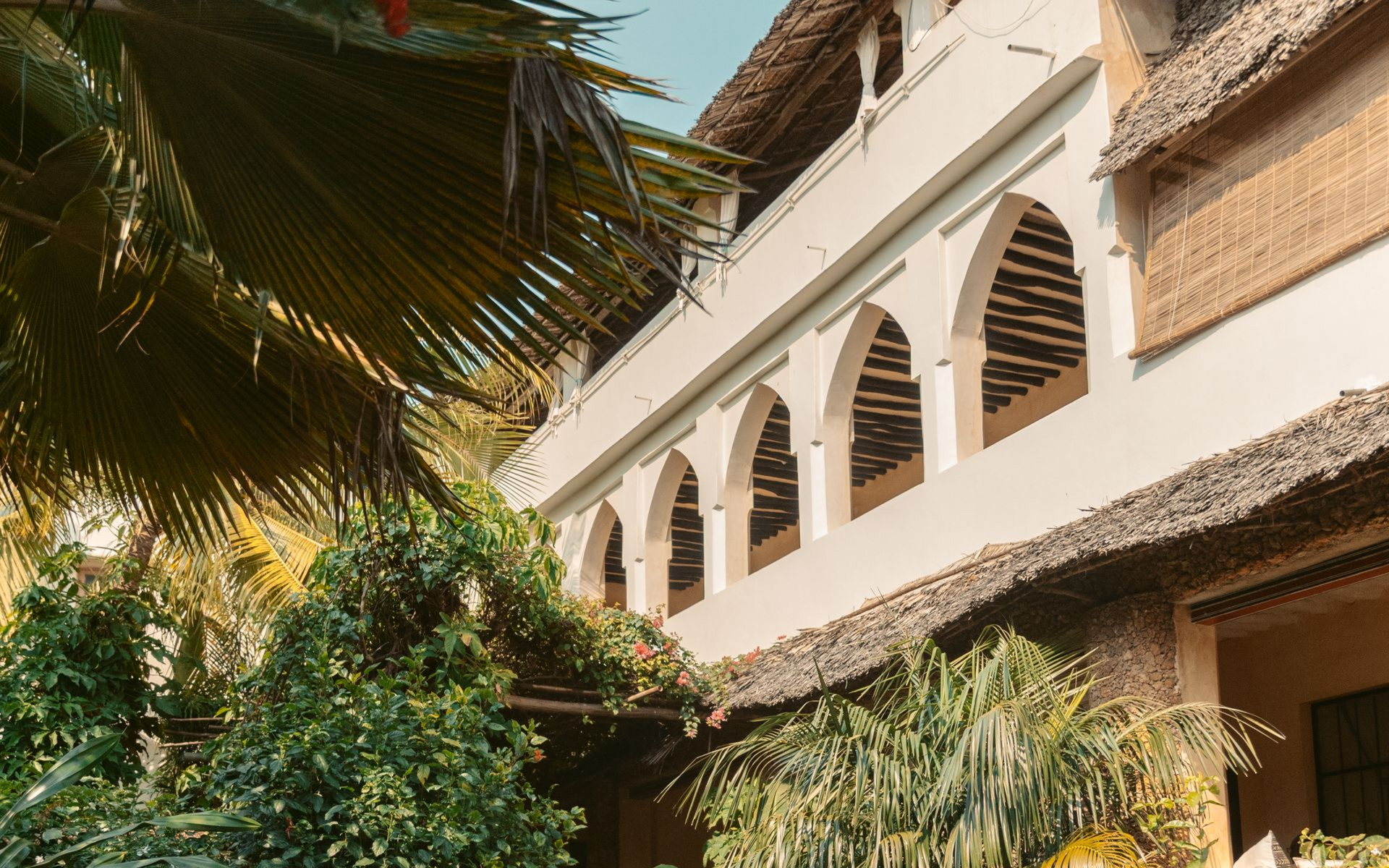
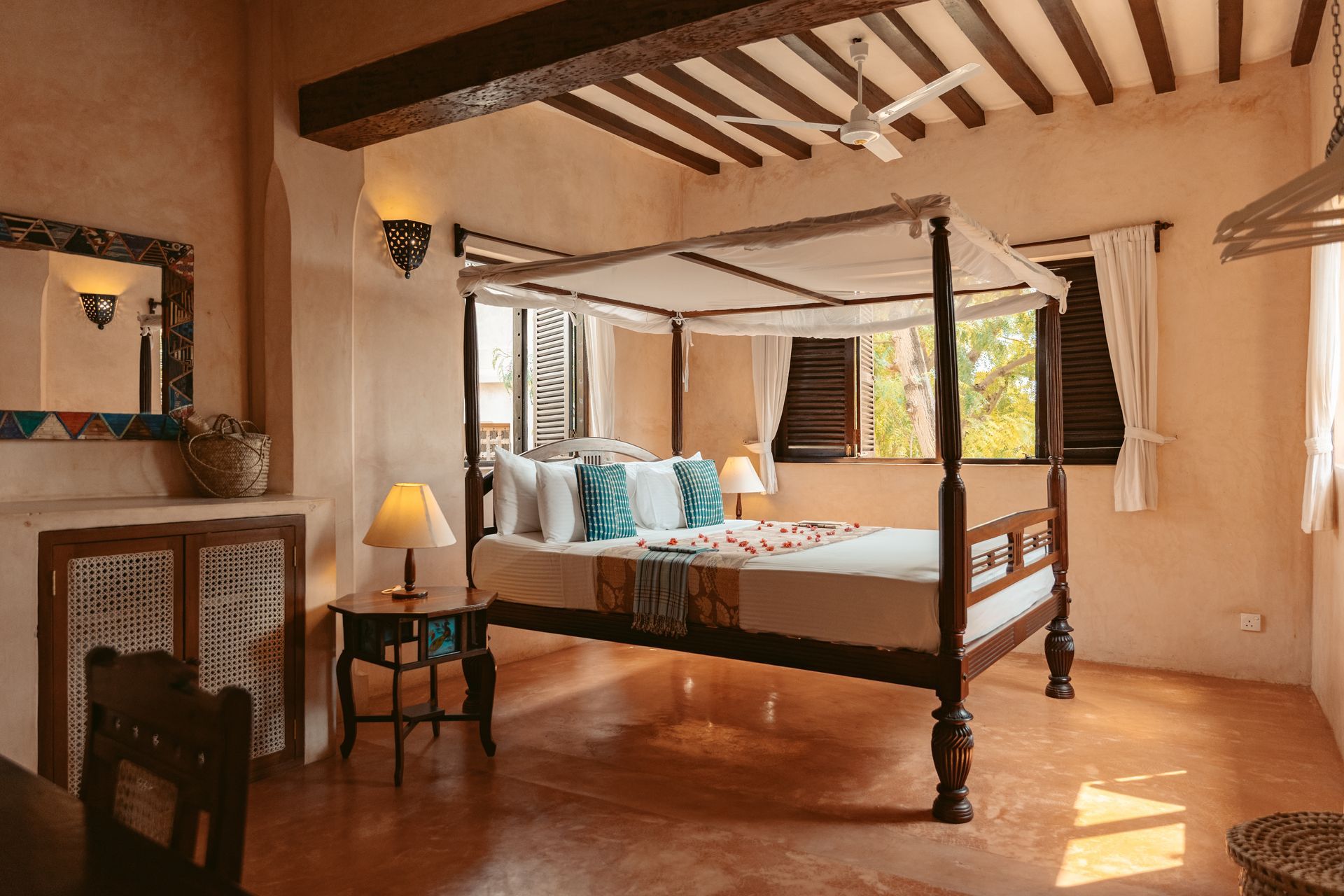
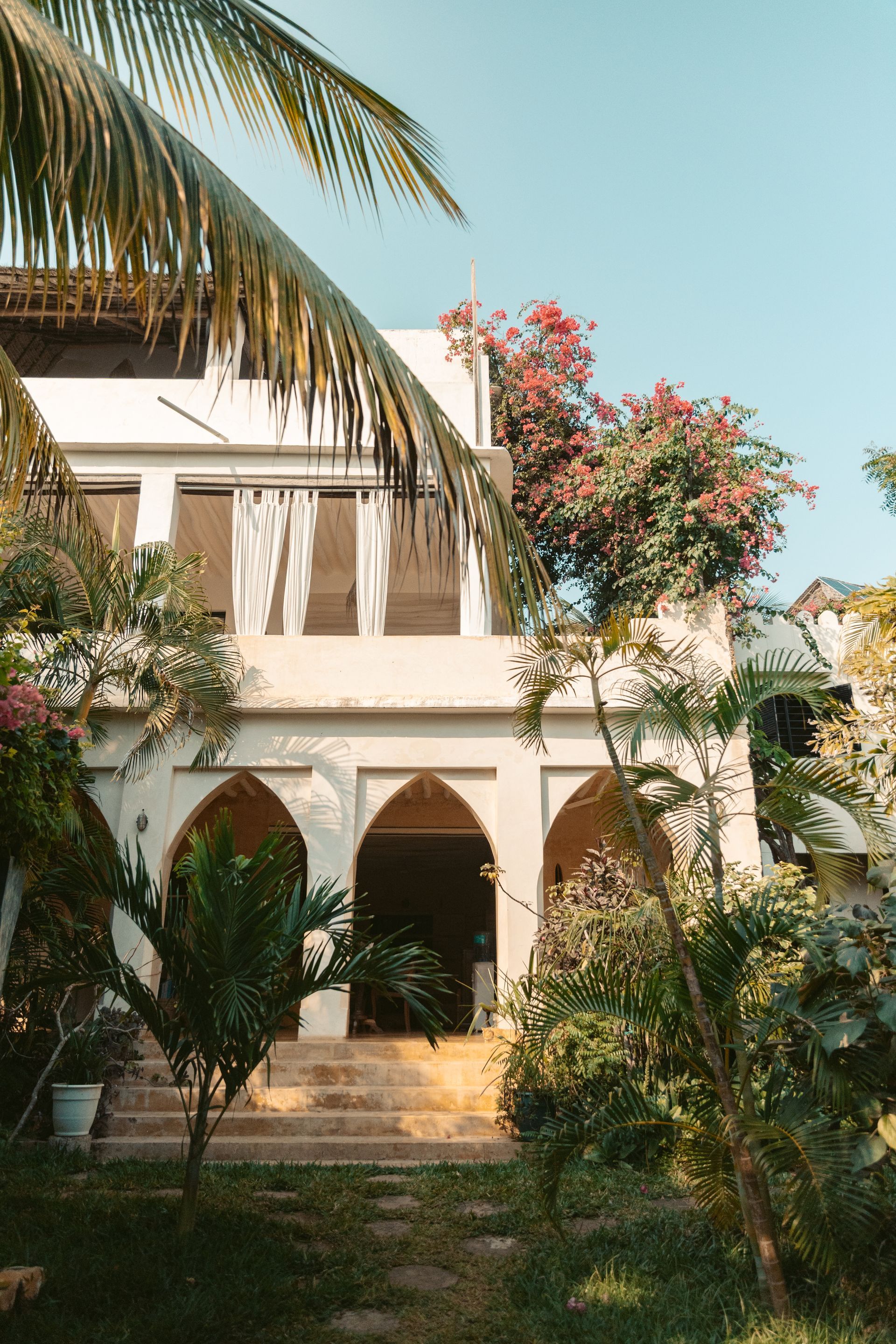
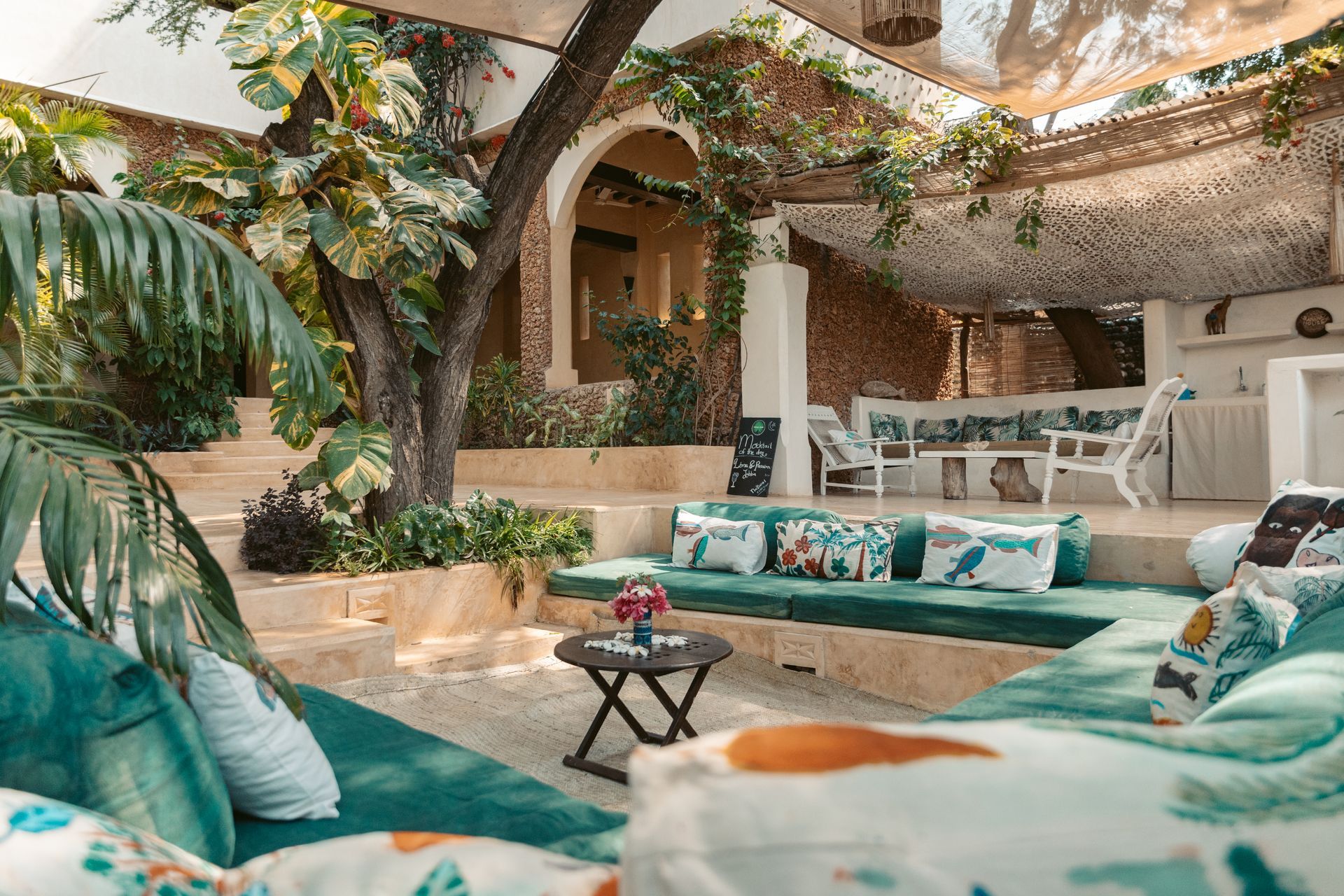
In Lamu, this distinction matters greatly. The island's identity is inseparable from its Swahili heritage, its coral stone buildings, hand-carved wooden doors, and open-air courtyards draped in bougainvillea. A boutique hotel that honours this aesthetic gives you a sense of place from the moment you step through the door, while a large resort may offer comfort but rarely offers character.
The difference is not just visual. It extends to the food on your plate, the people you meet, and the way you feel when you wake up in the morning. A small luxury hotel experience is, by nature, more intentional.
Why Personalised Service Makes All the Difference at a Boutique Hotel Lamu
One of the clearest advantages of staying at a smaller property is the level of personal attention you receive. In a larger resort with dozens or even hundreds of rooms, service can feel efficient but transactional. Staff follow scripts. Your name might appear on a welcome card, but genuine connection is harder to foster.
At a boutique hotel like
Banana House in Shela, the dynamic is entirely different. With fewer guests at any given time, staff are able to learn your preferences, anticipate your needs, and make recommendations that go beyond the generic. It is the kind of hospitality where the owner greets you personally and the kitchen adapts to your tastes, not the other way around.
Guests at Banana House regularly highlight this warmth in their reviews. One guest described it as a "very serene, relaxing retreat boutique size hotel" where the "owner is friendly and meets the guests." Another called it "a small piece of paradise," noting that "the quality of the staff is great" and that "nothing was wrong during our 4 days there."
This level of care is not a coincidence. It is a direct result of the boutique model, where hospitality is personal, not procedural.
Privacy, Peace, and Fewer Crowds: The Boutique Advantage in Lamu
Travellers who seek out Lamu Island hotels are usually drawn by the island's slower pace of life. They are looking for calm, for space to breathe, and for mornings that begin with birdsong rather than the hum of a crowded breakfast buffet. In this context, the intimate nature of a boutique hotel becomes a significant advantage.
Larger resorts, even well-managed ones, come with a level of foot traffic that can erode the sense of privacy. Shared pools, busy dining rooms, and packed activity schedules can start to feel more like a small city than an island retreat.
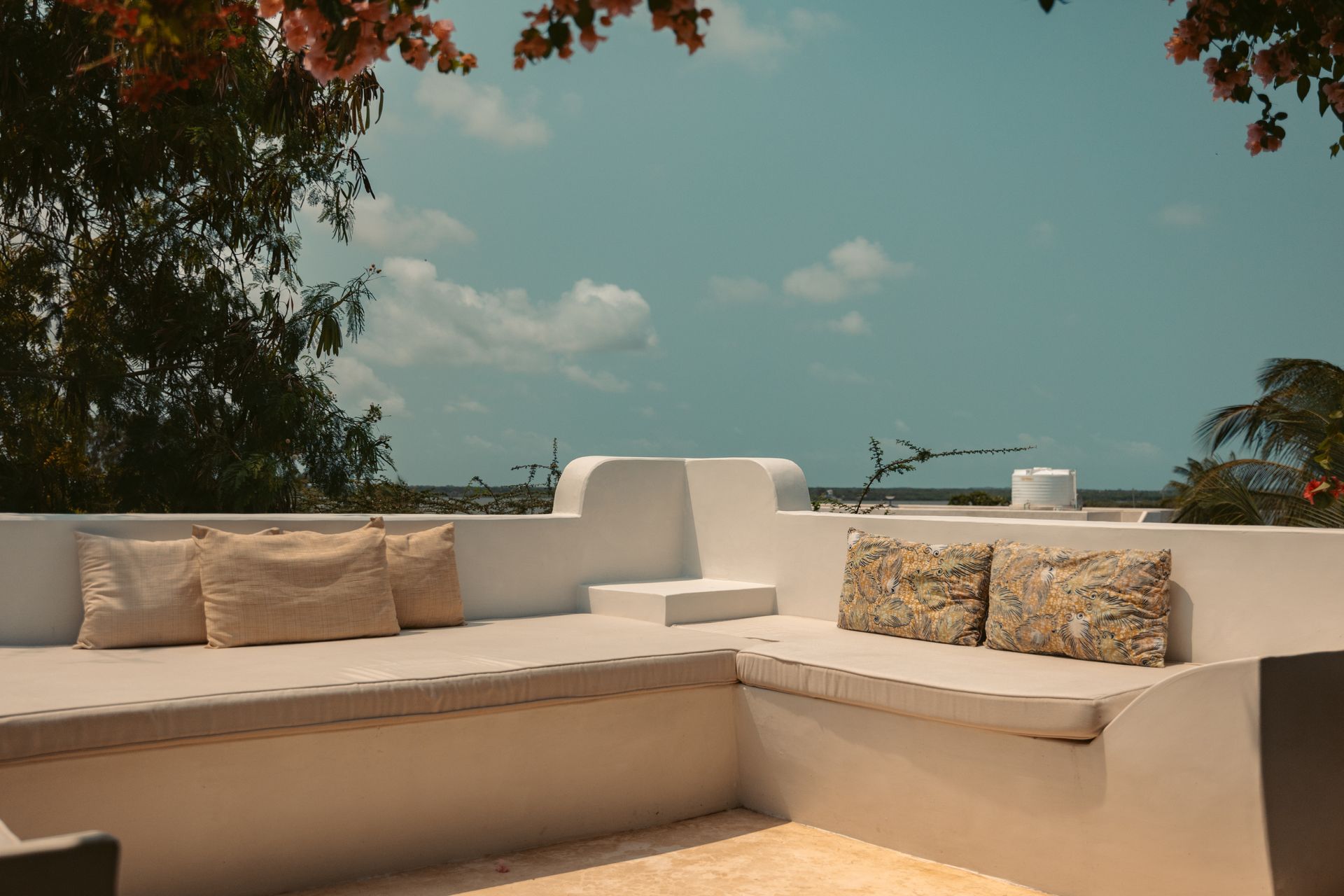
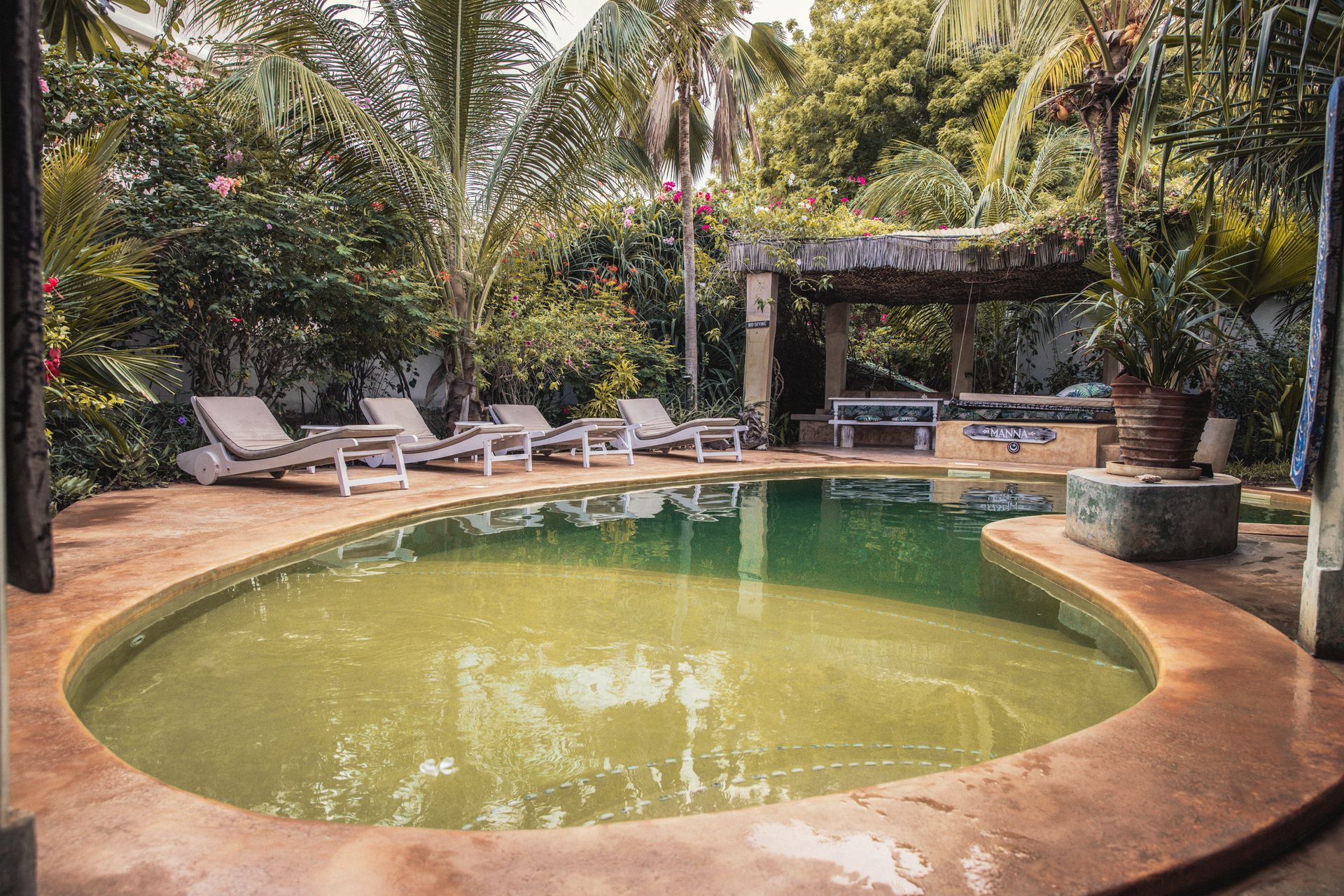
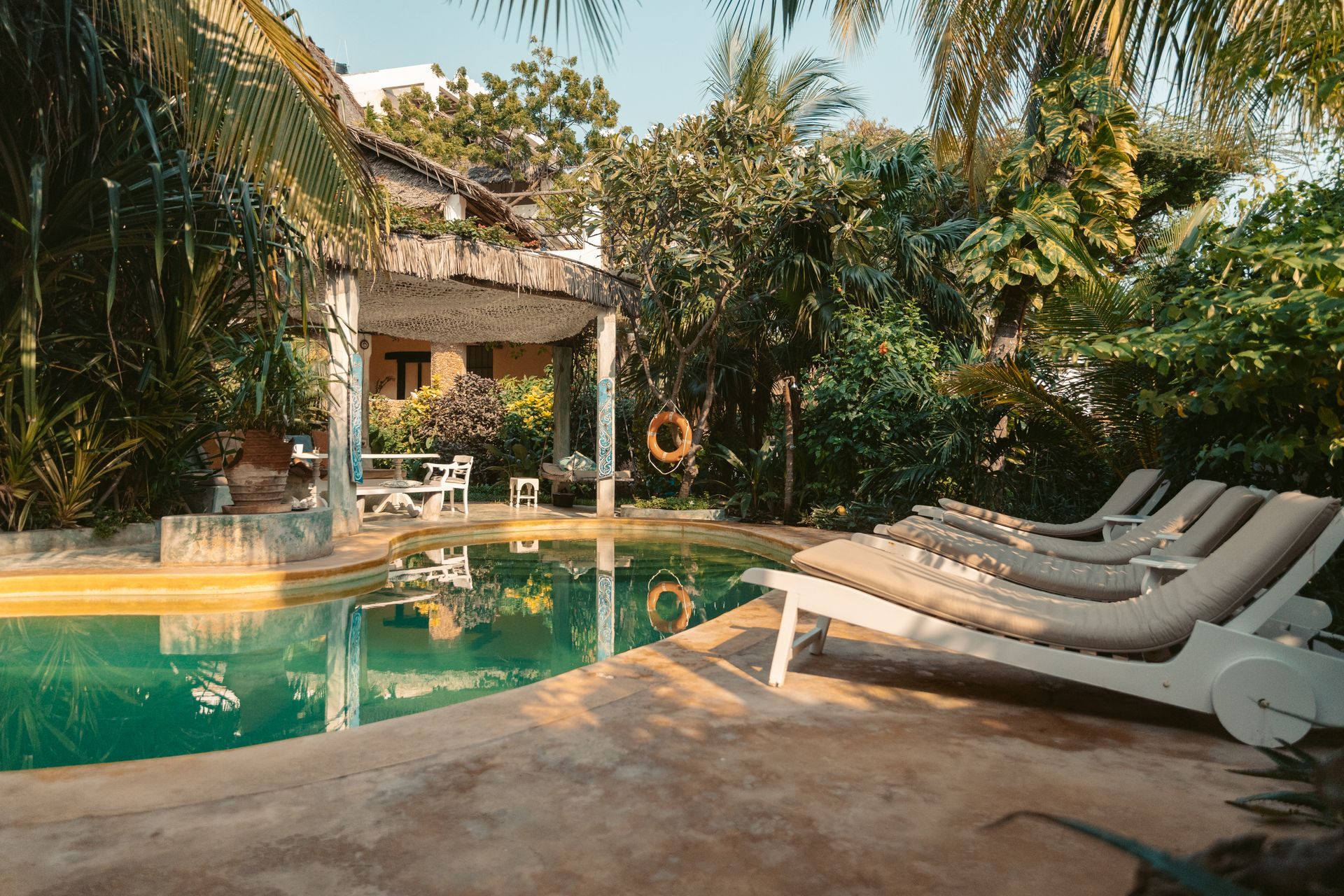
A boutique beach hotel, by contrast, offers a quieter, more private experience. At Banana House, the pool, gardens, and communal spaces feel genuinely tranquil because they are shared among a small group of guests. The atmosphere is peaceful without being empty. There is enough activity to feel social, but enough privacy to feel like the space is your own.
For couples, solo travellers, or anyone looking for a genuine escape, this balance of community and solitude is hard to replicate in a larger setting.
How Boutique Hotels Connect You to Swahili Culture and Architecture
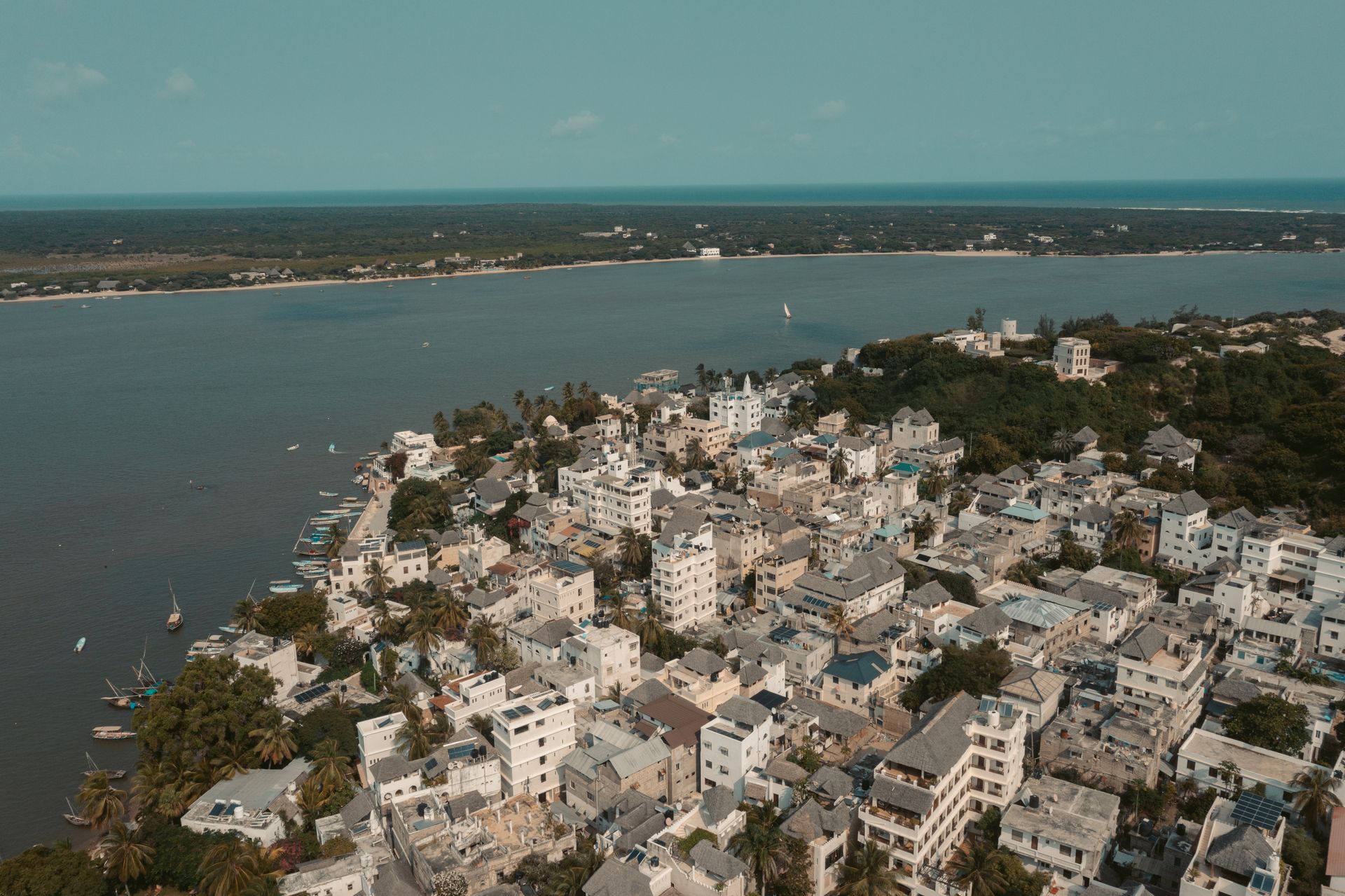
Lamu Old Town is a UNESCO World Heritage Site, recognised as one of the oldest and best-preserved Swahili settlements in East Africa. Its coral stone buildings, carved lintels, and inner courtyards represent centuries of cultural continuity. Staying in a boutique hotel that draws on this architectural tradition allows you to live within that heritage rather than merely observe it from a distance.
Banana House, for example, is built in a style that reflects the traditional Swahili aesthetic, with open courtyards, carved wall details, and a layout that invites natural airflow and light. This is not a themed replica; it is a property that belongs to its surroundings.
Large resorts, particularly those owned by international chains, tend to prioritise a standardised look and feel that can be transplanted anywhere in the world. While comfortable, these spaces can feel disconnected from the cultural fabric of the destination. In Lamu, where architecture and culture are so deeply intertwined, staying somewhere that honours local design is not just a visual preference. It is part of the experience.
Why Shela Village Is the Ideal Base for Boutique Accommodation in Lamu
When choosing Shela accommodation, you are selecting one of the most charming and well-positioned villages on Lamu Island. Shela sits at the southern end of the island, a short boat ride or pleasant walk from Lamu Old Town. It offers a quieter, more residential atmosphere while keeping you within easy reach of the island's cultural and historical highlights.
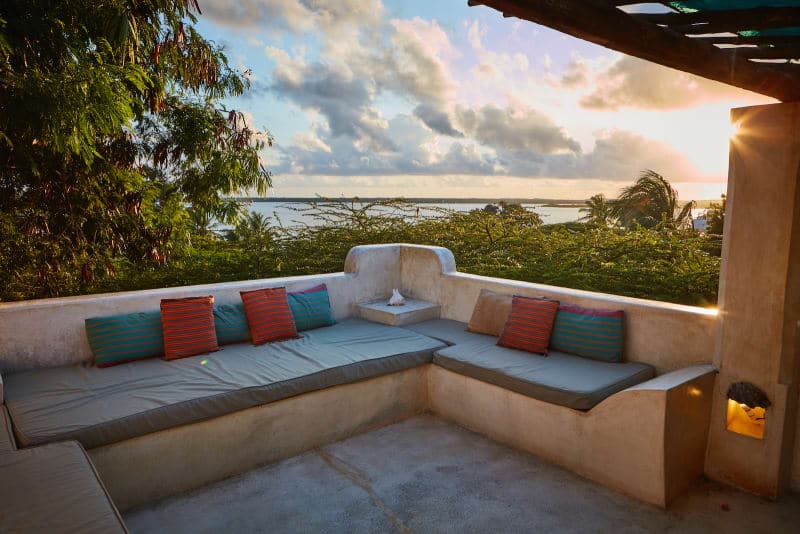
Shela is also home to a spectacular 12-kilometre stretch of beach, largely empty and perfect for long walks, sunrise swims, or simply watching dhows glide past on the horizon. It is a village where daily life unfolds at a gentle pace, and where you are as likely to be greeted by a local fisherman as by a fellow traveller.
Banana House is located in the heart of Shela, offering easy access to the beach, the village's winding streets, and the waterfront. Its position means you are never far from the action, but always close to calm.
For those wondering whether to base themselves in Lamu Old Town or Shela, the answer often depends on what you value most. Lamu Town offers history and bustle. Shela offers beauty and stillness. For a boutique stay focused on wellness and relaxation, Shela is hard to beat.
Fresh, Locally Sourced Cuisine: A Hallmark of Boutique Hotels Kenya
Food is one of the areas where the difference between a boutique hotel and a larger resort becomes most apparent. Resorts often rely on bulk purchasing and standardised menus to cater for large numbers. Boutique hotels, particularly those rooted in their local community, take a different approach.
At Banana House, meals are cooked fresh each day using local ingredients from the garden and surrounding area. The chefs adapt dishes to different tastes, dietary needs, and spice preferences, meaning your meal is prepared with you in mind, not designed for mass appeal.
One guest described the food as "the best food in Lamu," praising the "excellent menu and chefs." Another noted that "food is great, and freshly prepared." This is the kind of dining experience that comes from a kitchen with heart, one that values quality and connection over volume.
In Lamu, where fresh seafood, tropical fruit, and Swahili spices are part of the island's identity, eating locally sourced cuisine is not just a culinary choice. It is a way of engaging with the culture.
Wellness, Yoga, and the Art of Slowing Down in Lamu
Lamu has long attracted travellers seeking rest and renewal. The island's natural beauty, warm climate, and unhurried rhythm make it an ideal setting for wellness and slow travel. Boutique hotels are particularly well-suited to this kind of experience because they can integrate wellness into every aspect of your stay, rather than offering it as an optional add-on.
At
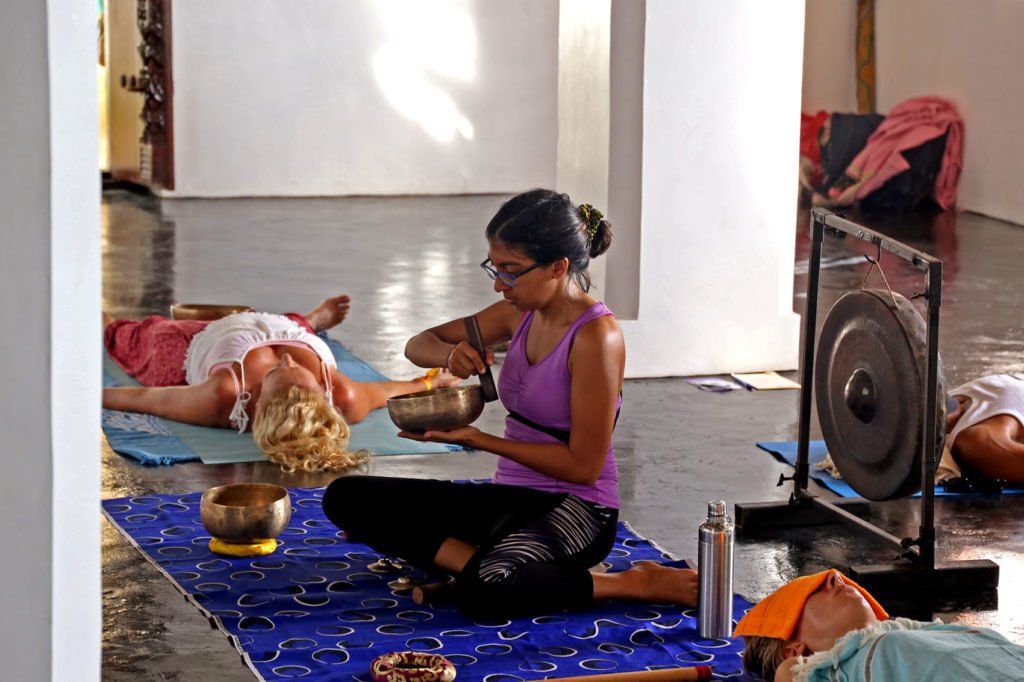
Banana House, wellness is woven into the fabric of the property. Yoga is offered daily in a beautiful open studio, and the overall atmosphere is designed to support rest, reflection, and wellbeing. The property combines accommodation, dining, and yoga in a peaceful boutique retreat setting, creating an experience that feels cohesive and nourishing.
One guest noted the ease of the experience: "a short walk downstairs to yoga in a beautiful open studio." Another described the hotel as a "very serene, relaxing retreat."
Whether you are a dedicated yogi or simply someone who wants to slow down and reconnect, a wellness-focused boutique hotel in Lamu creates the conditions for genuine restoration in a way that a busier, larger resort rarely can.
Unique Experiences You Can Access from a Boutique Hotel in Lamu
One of the joys of staying at a smaller, locally rooted property is the access it provides to authentic island experiences. Rather than being funnelled into pre-packaged excursion programmes, guests at boutique hotels often benefit from personal recommendations and locally arranged activities.
From Shela and Lamu, there is plenty to explore. A traditional dhow cruise along the coastline, a visit to the ancient Takwa Ruins, or a walk through the narrow streets of Lamu Old Town are all within easy reach. The annual
Lamu Cultural Festival is also a highlight, celebrating Swahili heritage through donkey races, dhow sailing competitions, and traditional music and dance.
Banana House offers a range of
activities and can help guests arrange experiences that suit their interests, from cultural outings to beach adventures and everything in between.
How to Get to Lamu Island and When to Visit
Getting to Lamu is simpler than many first-time visitors expect. Most travellers fly into Manda Airstrip from Nairobi, Mombasa, or Malindi. From Manda, a short boat ride brings you across the channel to Lamu Island. At Banana House, staff welcome arriving guests at the Shela seafront and help with luggage for the short walk to the property.
Lamu is a year-round destination, but the most popular times to visit are from mid-December to February and from July to October, when the weather is warm and dry. These periods offer the best conditions for beach time, dhow cruises, and exploring the island on foot.
Who Should Choose a Boutique Hotel Over a Larger Resort?
If you value personalised service, cultural authenticity, privacy, and a connection to the place you are visiting, a boutique hotel is almost certainly the right choice for your stay in Lamu. This applies whether you are a couple looking for a romantic escape, a solo traveller seeking peace and wellness, a family wanting a more personal experience, or a group of friends after something a little different.
Larger resorts serve a purpose, particularly for travellers who prioritise extensive facilities or all-inclusive packages. But in a destination like Lamu, where the magic lies in the detail, the culture, and the human connections, a smaller, independently owned property will nearly always deliver a richer, more memorable experience.
Your Lamu Story Starts with Where You Stay
The accommodation you choose in Lamu is not just a place to sleep. It is the lens through which you experience the island. A boutique hotel like Banana House gives you a front-row seat to Swahili culture, locally inspired cuisine, daily wellness, and the kind of personal hospitality that turns a holiday into a story worth telling.
If you are ready to discover Lamu the way it is meant to be experienced, we would love to welcome you. Get in touch with us through our
contact page or call us on +254 (0) 721275538 to start planning your stay.
Frequently Asked Questions
What makes a boutique hotel different from a larger resort in Lamu?
A boutique hotel is typically a smaller, independently owned property with fewer rooms, more personalised service, and a design that reflects local culture and architecture. In Lamu, this means Swahili-inspired interiors, locally sourced food, and an intimate atmosphere. Larger resorts tend to offer more standardised facilities and accommodate many more guests, which can reduce the sense of personal connection and cultural immersion.
Is Shela Village or Lamu Old Town better for a boutique stay?
Both have their appeal, but Shela is particularly well-suited to boutique and wellness-focused stays. It is quieter than Lamu Old Town, with easy access to a stunning 12-kilometre beach, while still being a short trip from the historical and cultural attractions of the Old Town.
Are boutique hotels in Lamu suitable for families?
Yes. Many boutique hotels, including Banana House, welcome families and offer a relaxed, safe environment that is well-suited to travelling with children. The smaller scale of the property often means more flexibility and attentive service, which can make a family holiday much smoother.
What kind of food can I expect at a boutique hotel in Lamu?
Boutique hotels in Lamu typically serve fresh, locally sourced cuisine with Swahili influences. At Banana House, meals are prepared daily using ingredients from the garden and surrounding area, and chefs are happy to adapt dishes to suit dietary needs, taste preferences, and spice levels.
How do I get to Lamu Island?
Most visitors fly into Manda Airstrip from Nairobi, Mombasa, or Malindi. From Manda, a short boat ride takes you to Lamu Island. At Banana House in Shela, staff meet guests at the seafront and help carry luggage to the hotel.
When is the best time to visit Lamu?
Lamu enjoys warm weather throughout the year. The most popular periods for visiting are mid-December to February and July to October, when conditions are driest and ideal for beach activities, dhow cruises, and exploring the island.